Entrance Ticket to Istanbul Archeological Museums
Audio Guide in 25 Languages
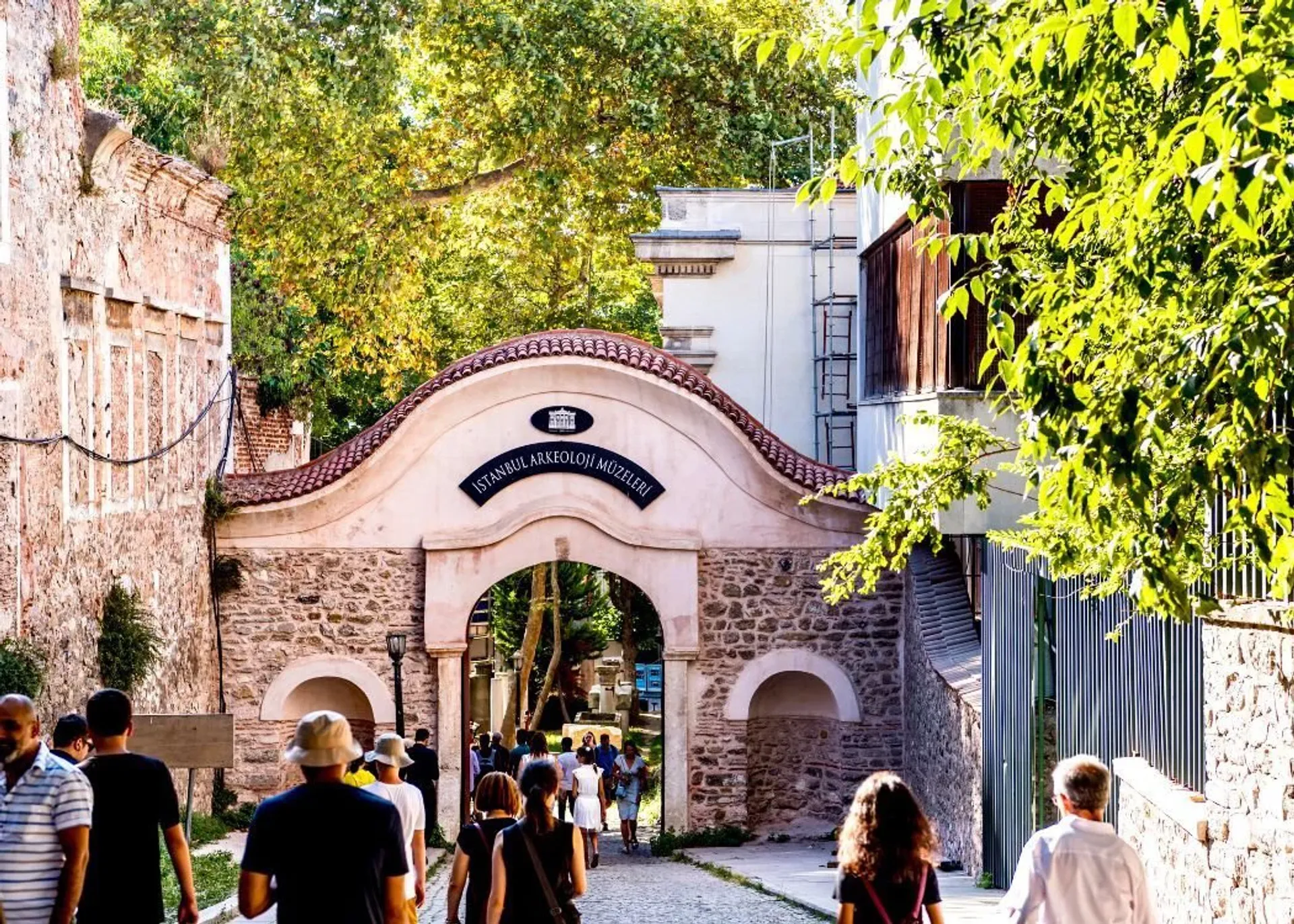
The Istanbul Archaeological Museums are among the largest museums in the world, with over one million artifacts from various cultures. Since you can see many objects from the pre-Islamic periods of the Greek, Egyptian, and Arabian Peninsula of Anatolia and Mesopotamia, this museum complex is one of the best places to visit in Istanbul.
It was established as the Imperial Museum at the end of the 19th century by the painter and museologist Osman Hamdi Bey. The Istanbul Archaeological Museums' collection includes artifacts from civilizations within the borders of the Ottoman Empire, from the Balkans to Africa, from Anatolia and Mesopotamia to the Arabian Peninsula, and Afghanistan.
Get your online ticket easily when you arrive at the Museums complex. Just Show&Go your online ticket and get into the amazing Museums. Self-discover this incredible place by listening to the specially curated audio guide, exclusively prepared by your Pass!
For this amazing experience and more, Buy Your Pass Now! Istanbul Tourist Pass® is here to make your Istanbul trip an unforgettable experience!
Getting to the Istanbul Archaeological Museums Skip-the-Ticket-Line Entry with Audio Guide is convenient and accessible from various parts of Istanbul. Here’s a guide to help you reach this iconic landmark:
Take the T1 Bağcılar - Kabataş tram and get off at Gulhane station. The museum is an easy 5-10 minute walk away.
Get your QR tickets instantly when you arrive in front of the Archeological Museums.
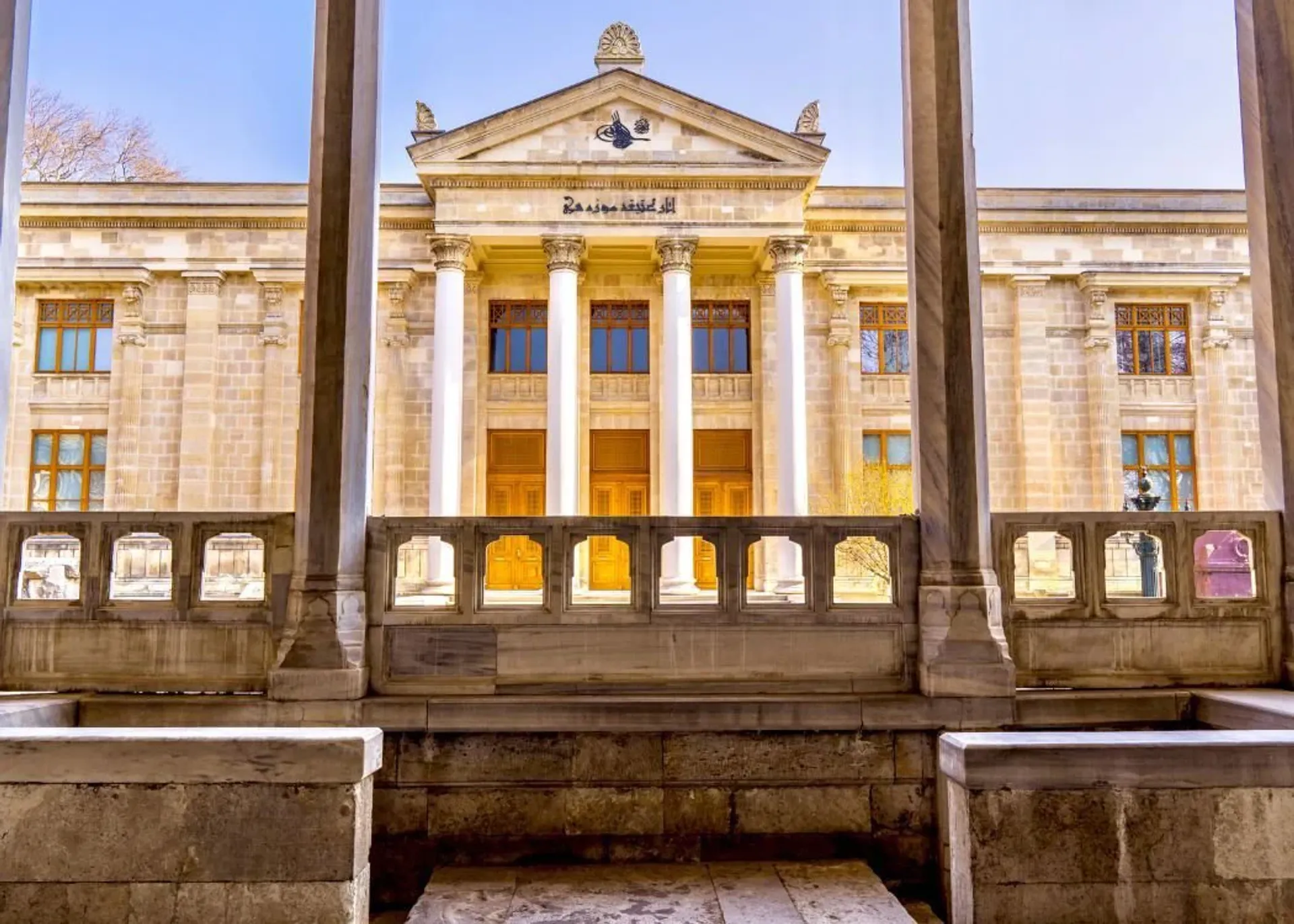
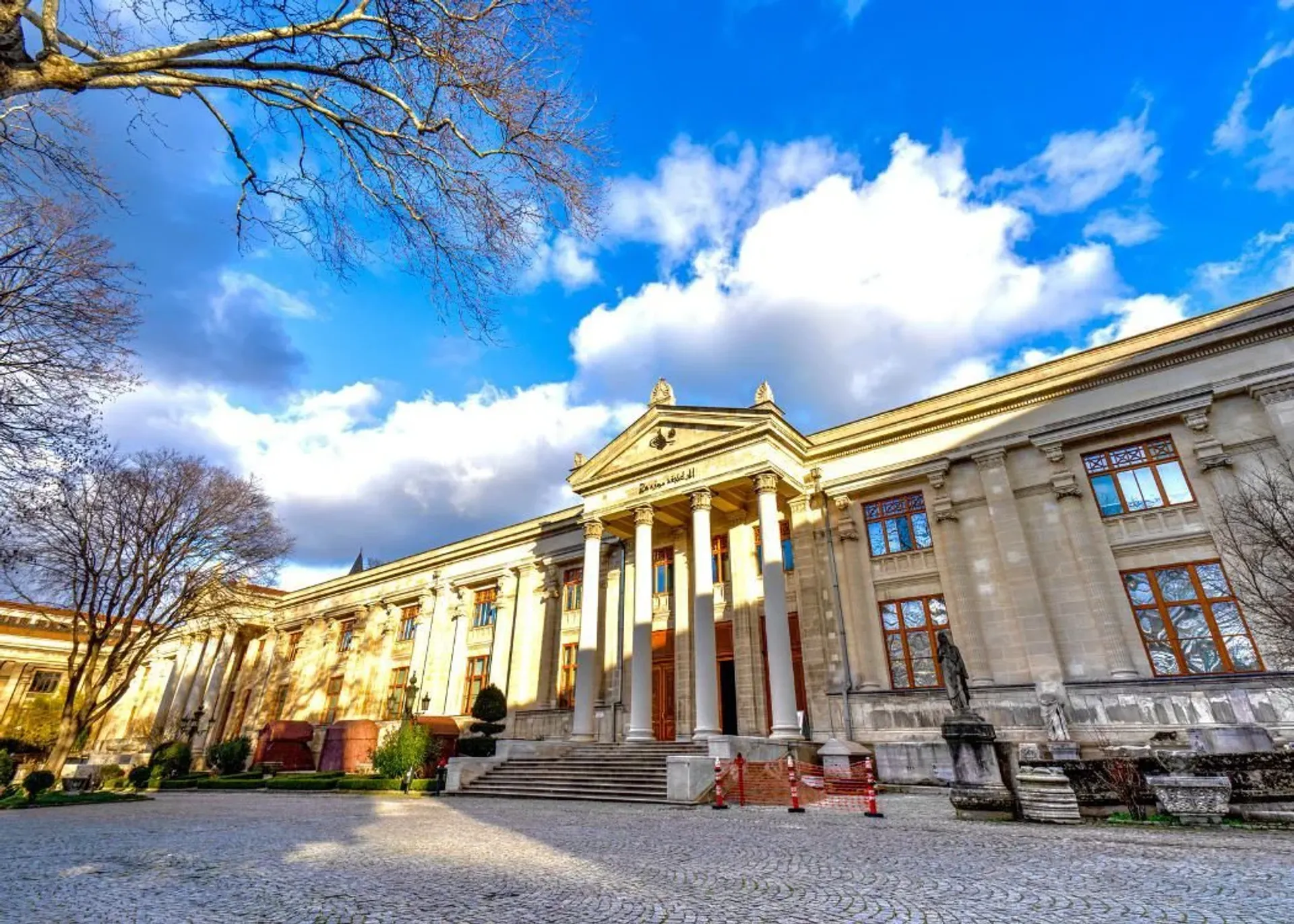
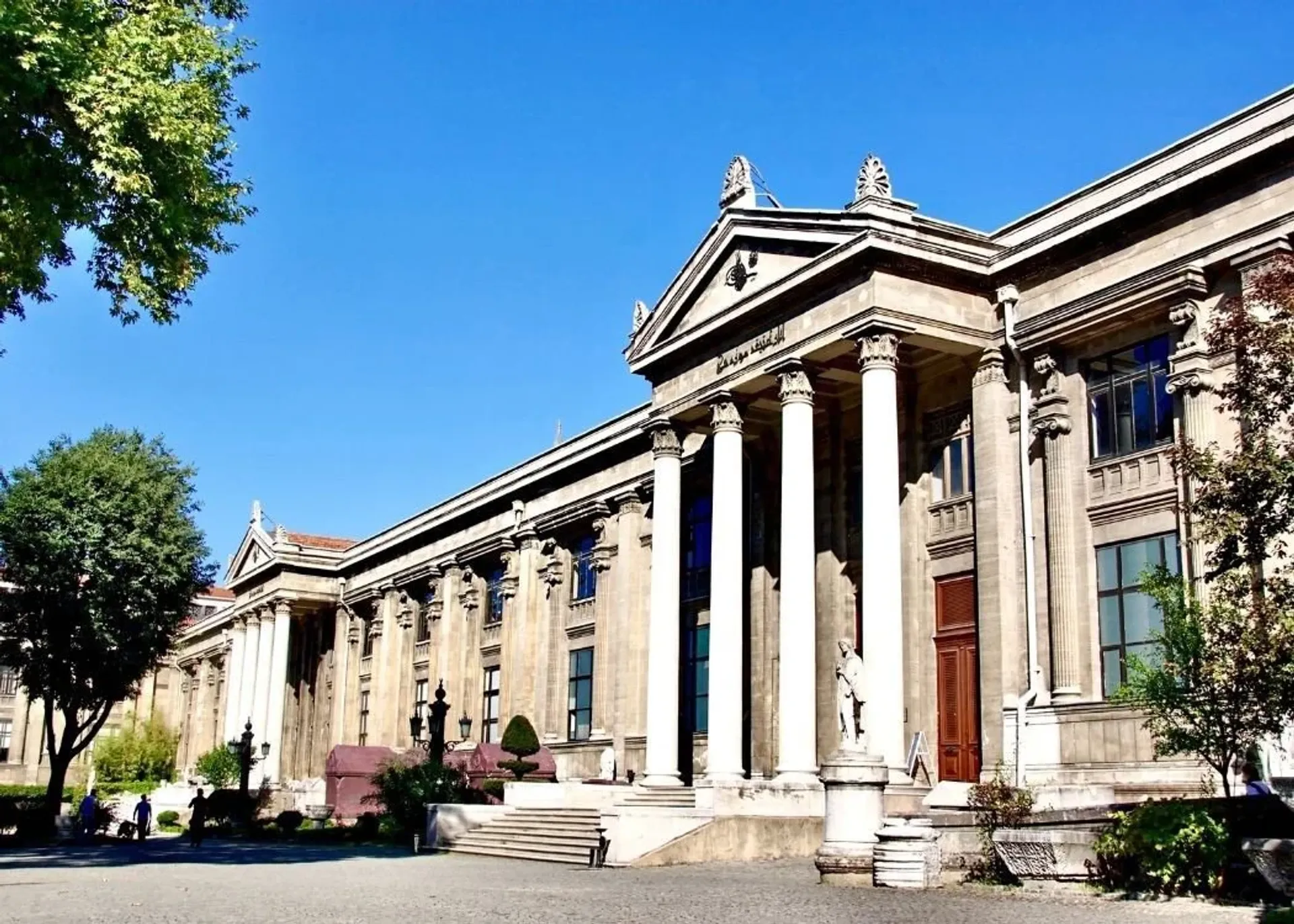
Istanbul Archaeological Museum, is located in the main building of the facilities of Istanbul Archaeological Museums near the other units as Tiled Kiosk and the Museum of the Ancient Orient. Istanbul Archaeological Museum, which is one of Turkey’s first museums, is a legacy from the Ottoman Empire to the Turkish Republic. Although the first emergence of the idea of the museum dates back to the time of Mehmed the Conqueror, its actual realization was with the establishment of the Imperial Museum in 1869. The Hümâyun Museum, which consists of archaeological artifacts collected until that day in the Hagia Irene Church, formed the basis of the Istanbul Archaeology Museum. While visiting Istanbul Archaeological Museum you may also stop by Hagia Irene Museum which has a special place for the history of the city. Saffet Pasha, the Minister of Education of the period, made personal efforts to bring works to the museum, and at the same time, one of the teachers of Galatasaray High School, Edward Goold, of English origin, was appointed as the museum director.
In 1872, the Minister of Education Ahmed Vefik Pasha re-established the Hümâyun Museum, which had been abolished for a while, with the help of German Dr. Phillip Anton Dethier. As a result of Dr. Dethier's work, the Hagia Irene Church was insufficient for the newly arrived works, but a new building could not be built due to financial difficulties. The "Tiny Pavilion", which was built during the reign of Fatih Sultan Mehmet, was converted into a museum and added to the museum complex in 1880. It took time for the museum to become world-renowned. In 1881, Osman Hamdi Bey, the son of the grand vizier Edhem Pasha, became the director of the museums, and the attempts to find artifacts to be displayed in the museum gained momentum.
Building of the Istanbul Archaeological Museum
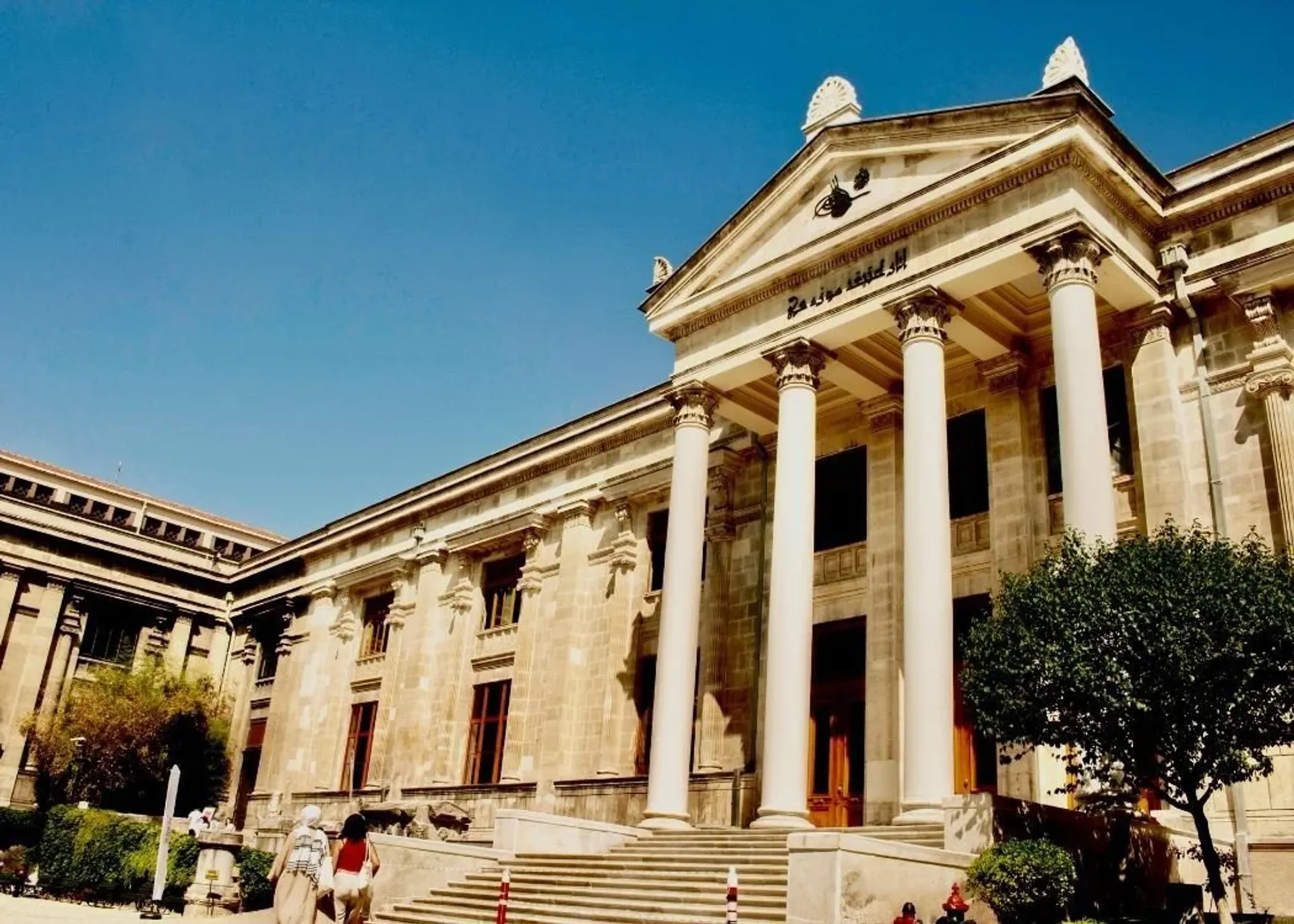
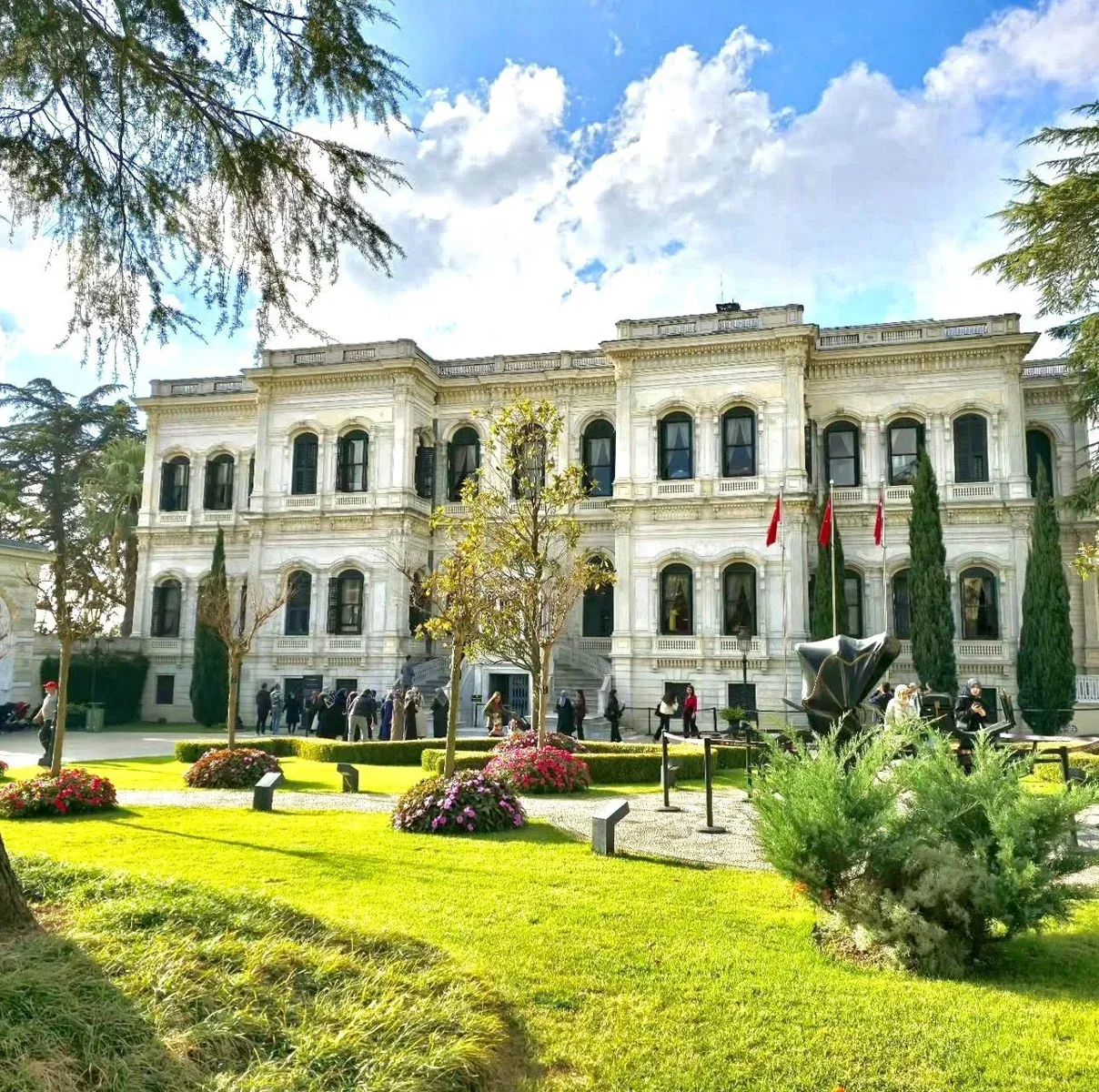
The Istanbul Archaeology Museum’s architecture belongs to Alexander Vallury. The building was built due to the need for a new museum to exhibit magnificent works such as the Iskender Tomb, the Crying Women's Tomb, the Lycian Tomb, and the Tabnit Tomb, which were brought to Istanbul from the Sidon King Necropolis. The museum was officially opened on 13 June 1891. June 13th, when the museum is opened to visitors, is celebrated as the museum day in Turkey. With the addition of the north wing in 1903 and the south wing in 1907 to the Archeology Museum complex, the museum gained its present appearance.
Due to the need for new exhibition halls, an addition was made to the southeast adjacent to the Main Museum building between 1969 and 1983, and this section was named the Annex Building. The building, which has witnessed an important part of history, is waiting to host you with its fascinating texture. With the Istanbul Tourist Pass, you can visit the Istanbul Archaeological Museum without paying for entrance. Artifacts in the Istanbul Archeological Museum This uniquely beautiful building, where you will step into the dusty pages of history as soon as you enter, is home to many ancient artifacts.
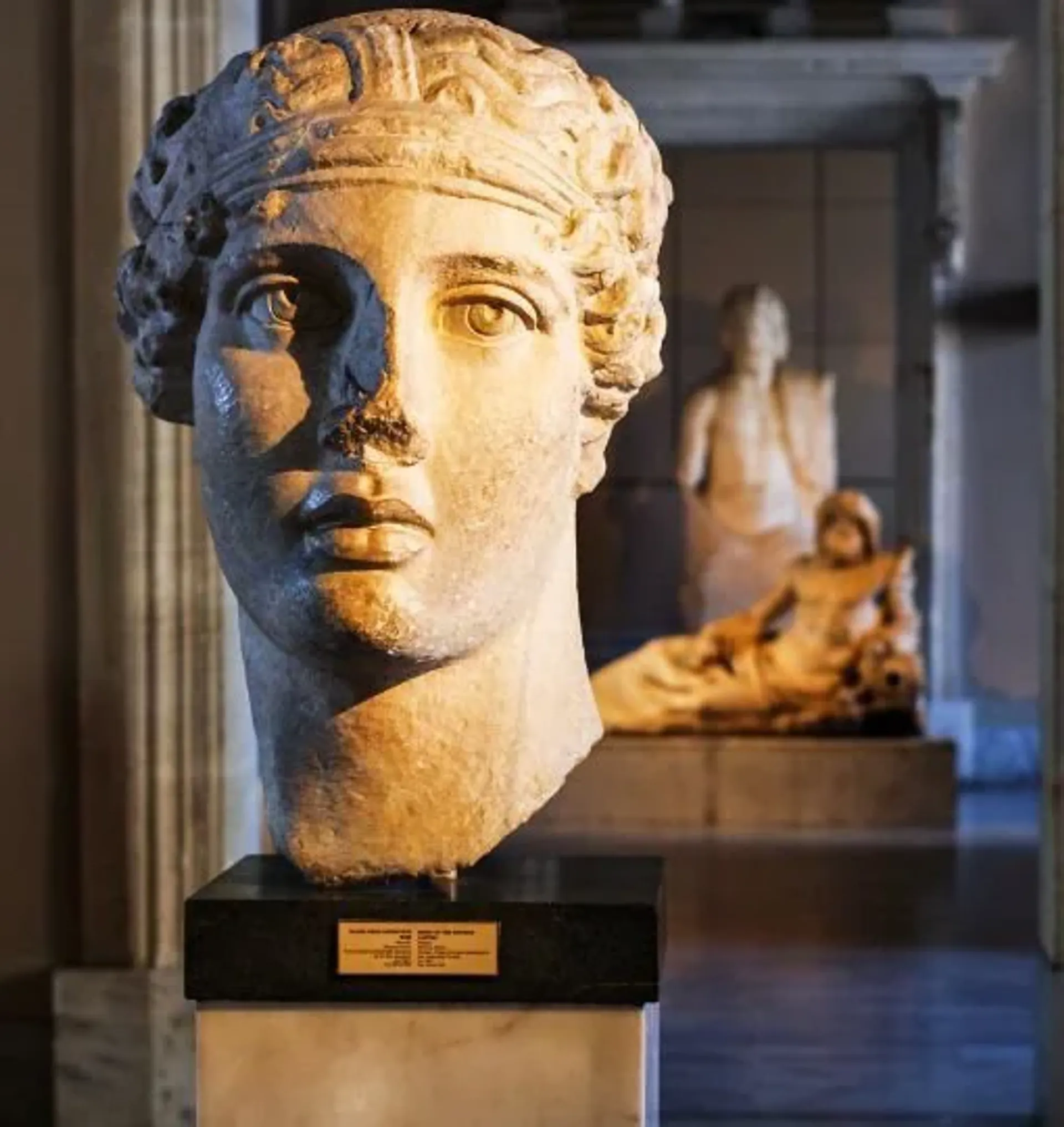
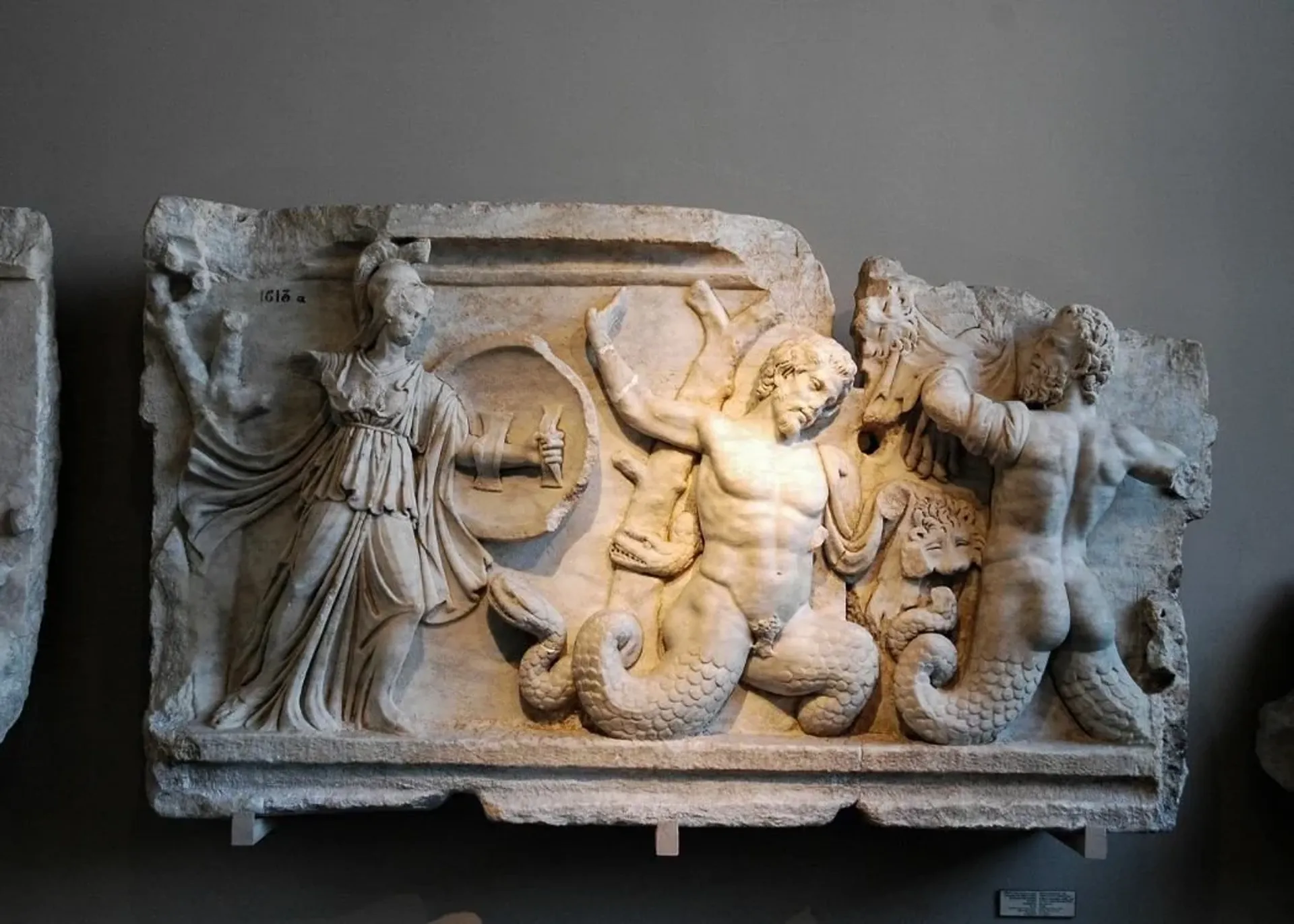
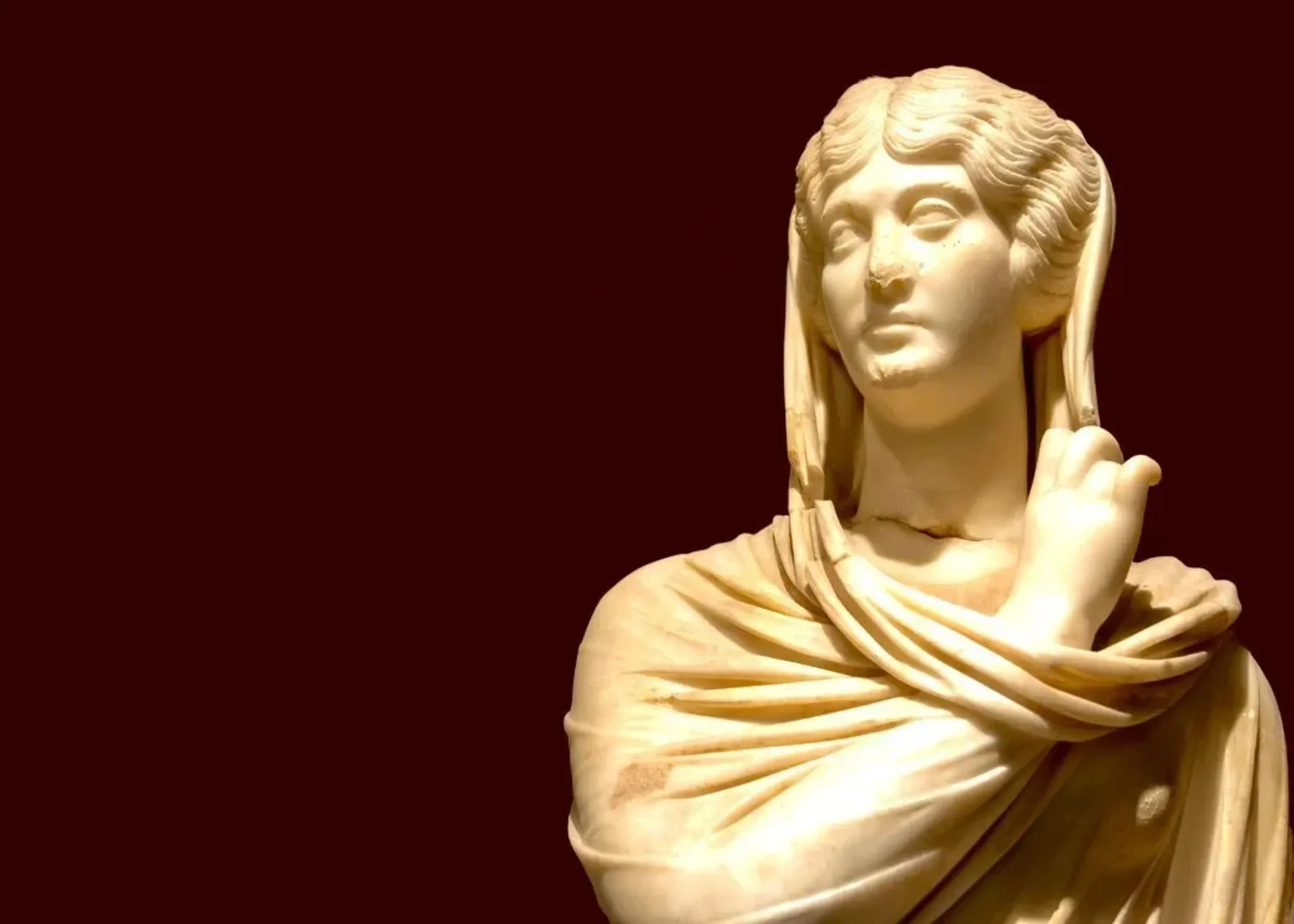
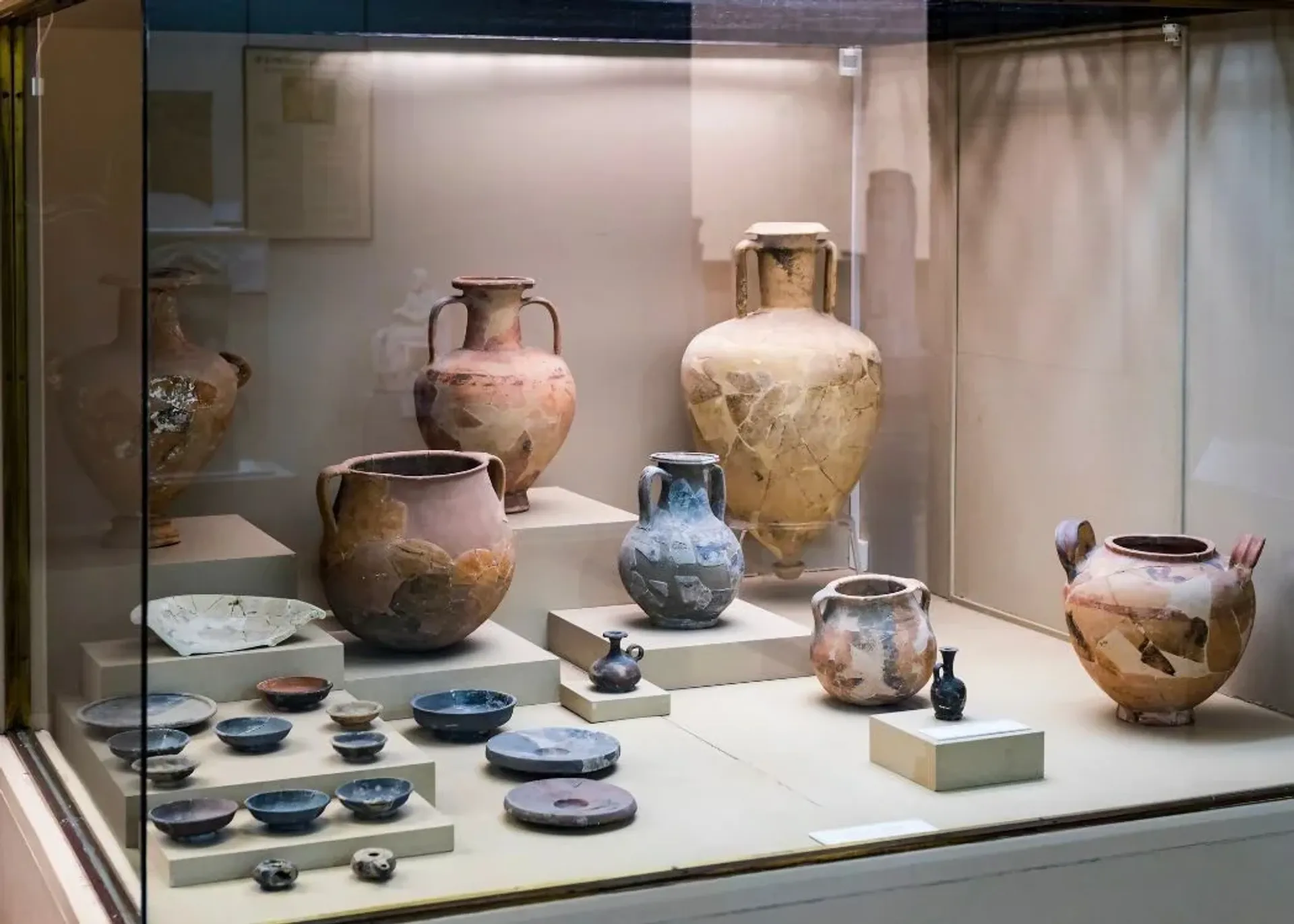
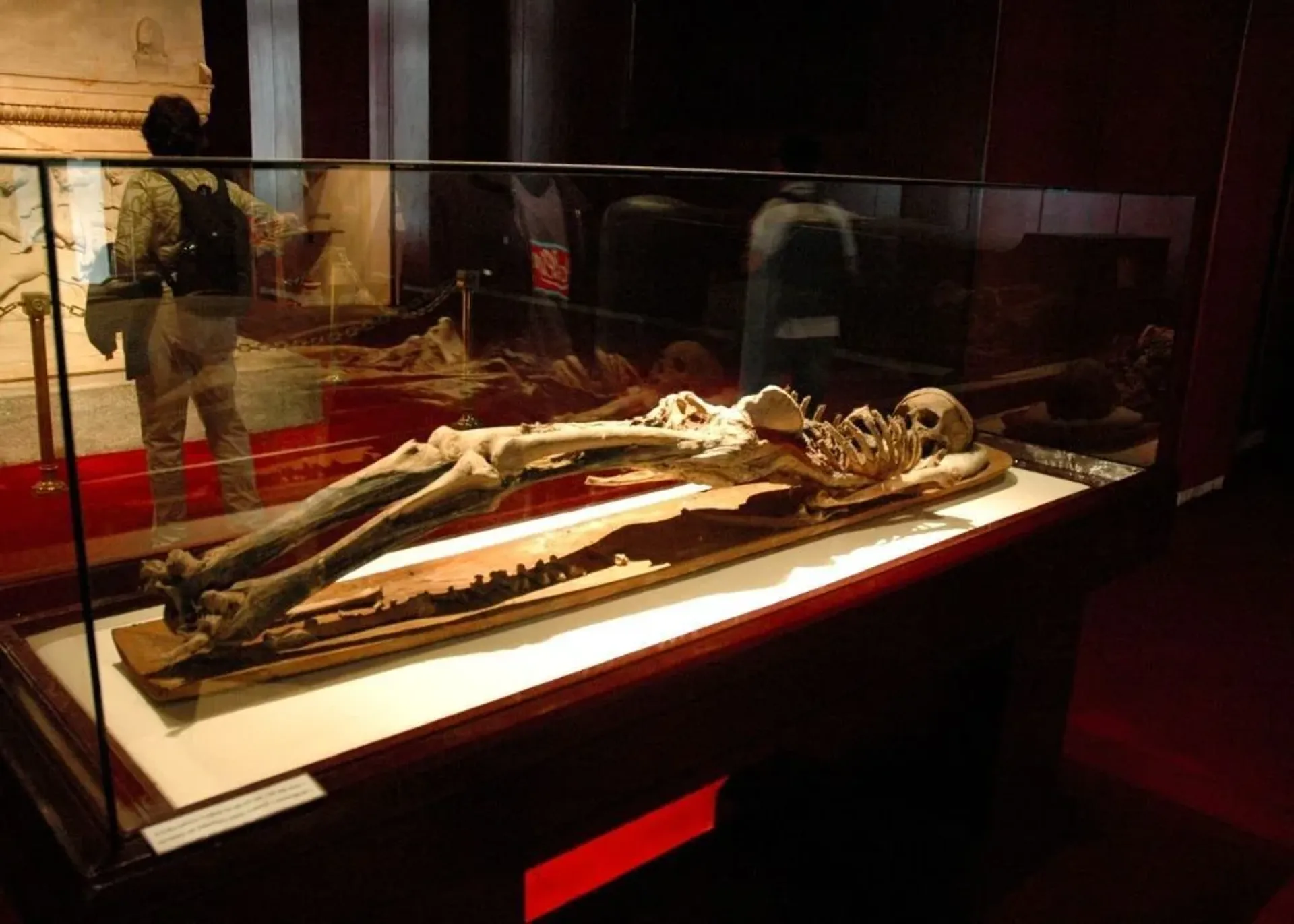
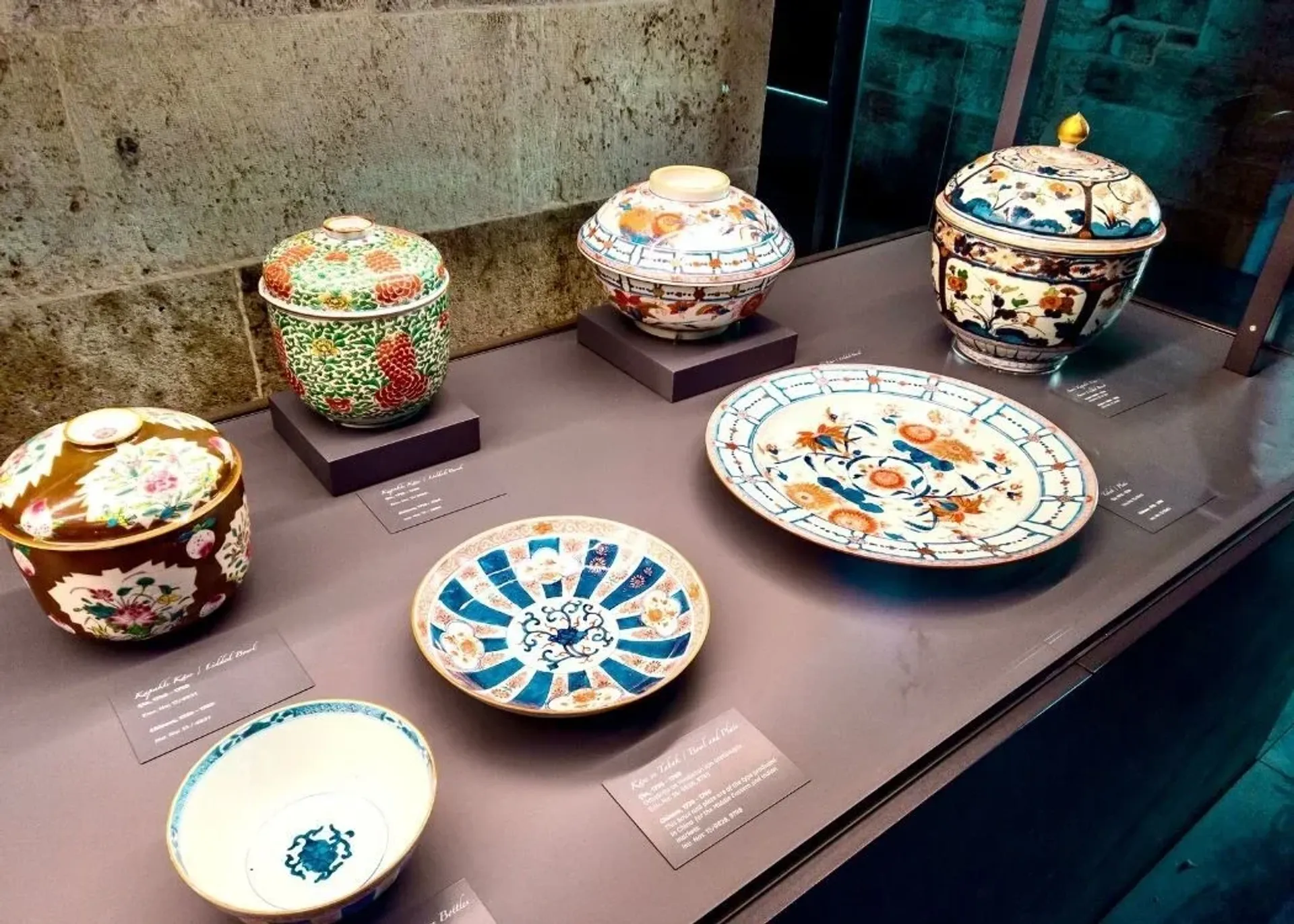
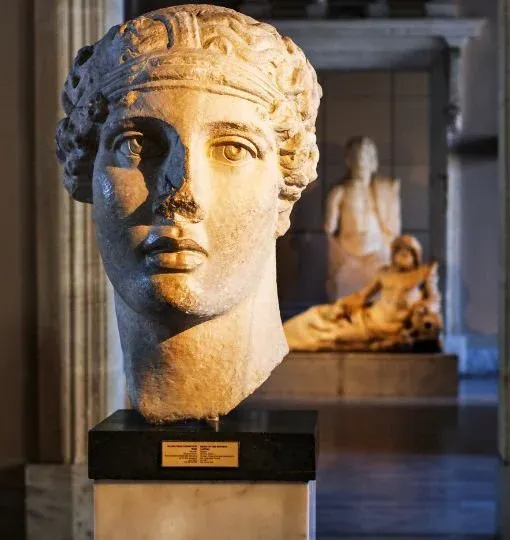
There are approximately 1 million artifacts in the museum and it contains artifacts from all over the world, most of which are from Turkey. It is hardly possible not to admire the unique artifacts from Mesopotamia and Anatolia. Especially the ancient Greek exhibition will make you feel as if you are wandering among the ancient Greek gods, taking you away from today's world with its mysterious and awe-inspiring hue. Some of the most famous artifacts in the museum are;
Statue of Hermes
Statue of Aphrodite
Archaic Temple Pediment from Assos
Ancient Greek Exhibition
Siloam Inscription
Virgin Mary Relief
Roman Emperor II. Valentinian's Statue
Mari Governor Puzur Ishtar
Sarcophagy Porphyry Stones of Byzantine Emperors
The original text of the Treaty of Kadesh, signed in BC 1258
Mesopotamian Statues
Babylon Reliefs
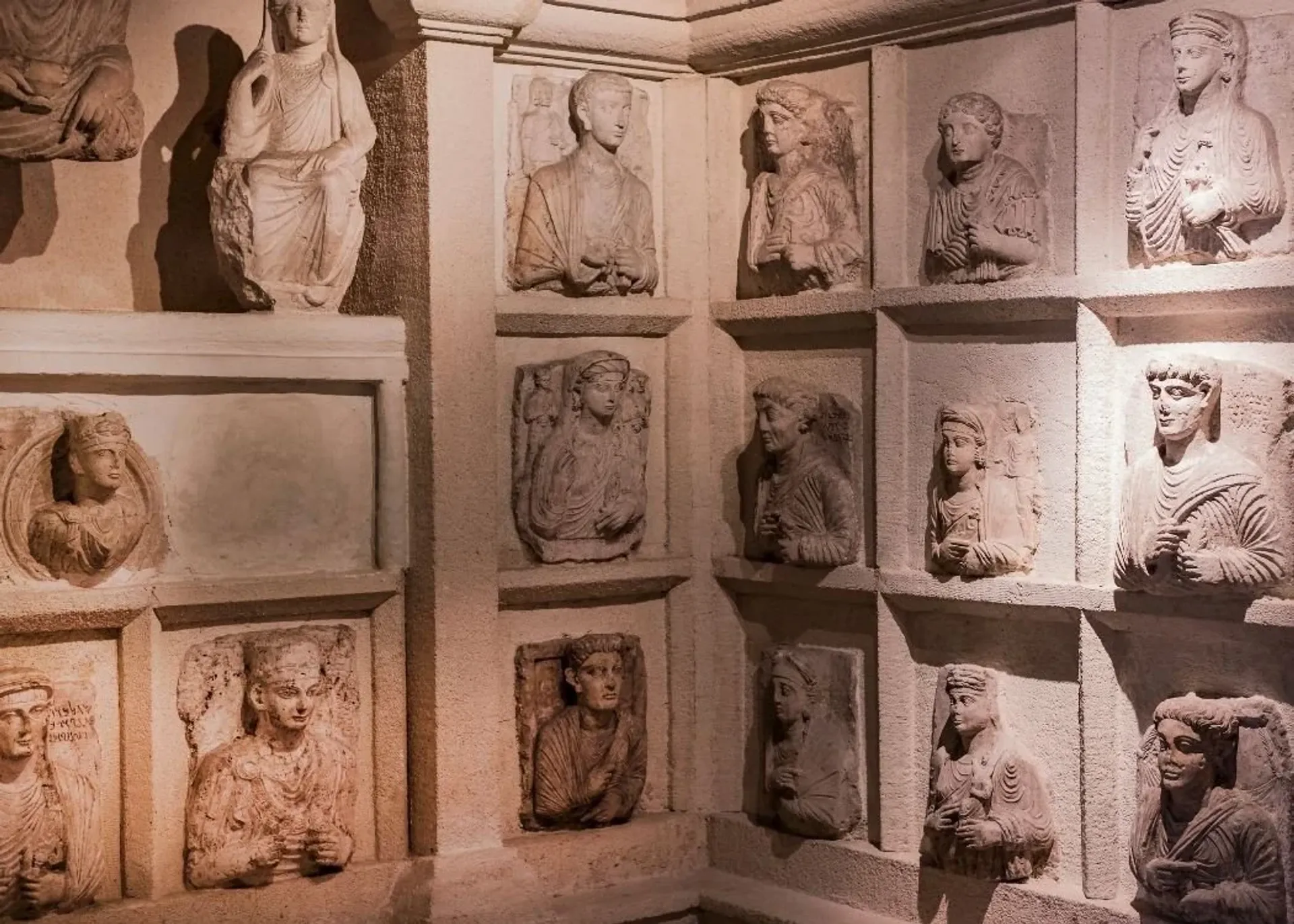
Palmyra Reliefs
Bust of Marcus Aurelius from Rome
A panel from the Ishtar Gate in Babylon
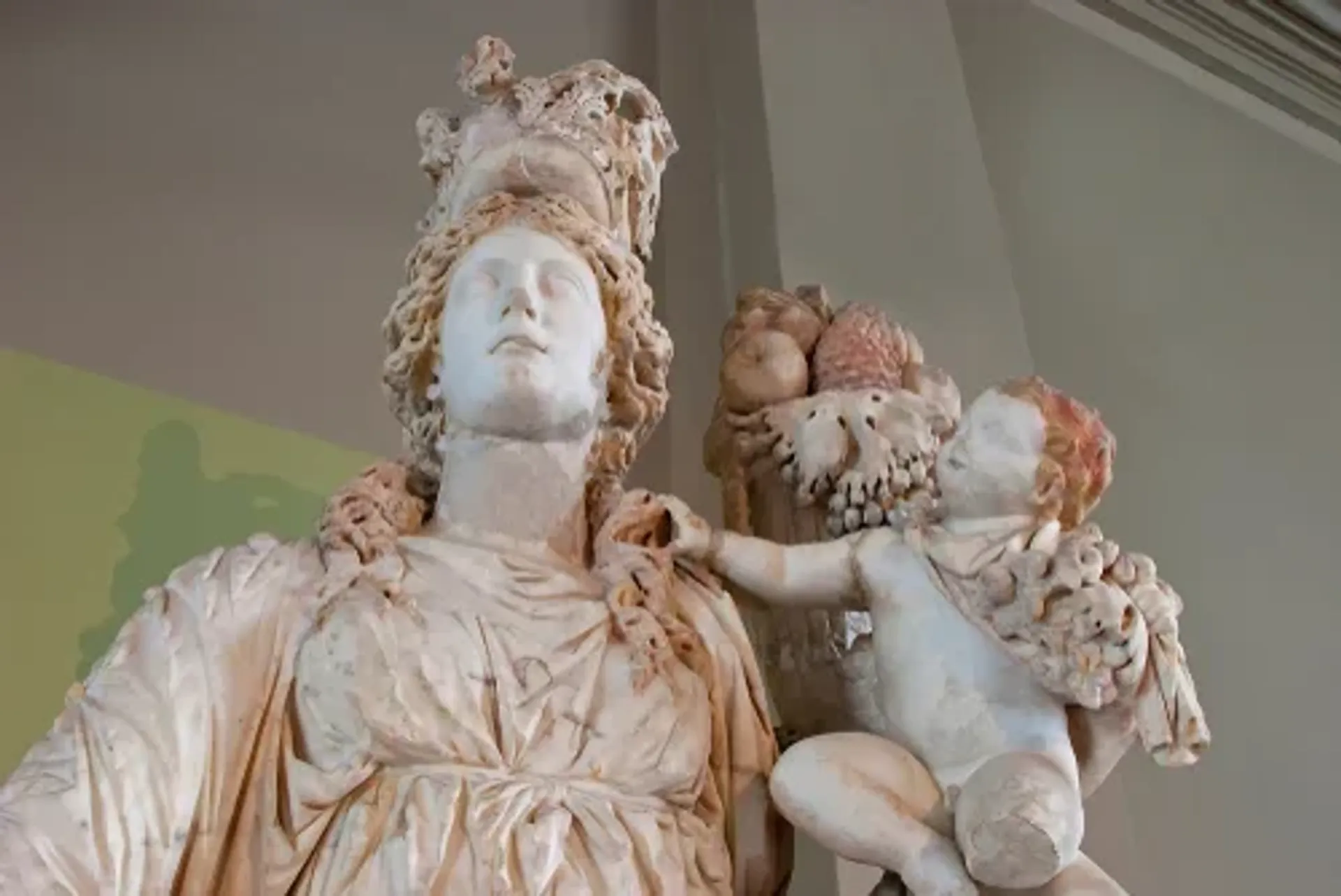
Kybele Statue from Bitínia
Nippur, the Ancient Egyptian Measure of Length
Orpheos Statue
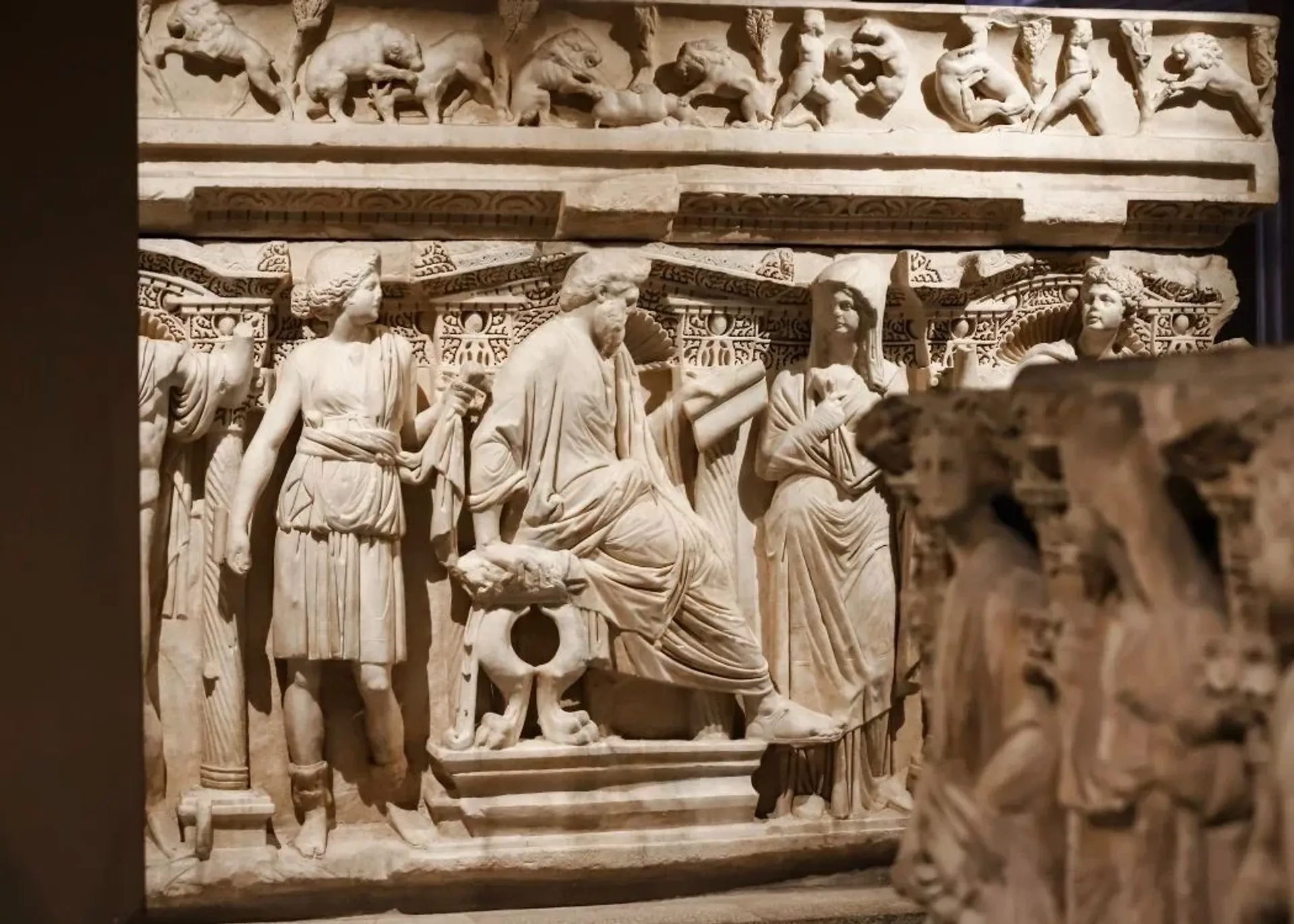
Orpheus, who appeared as a mythological character, became a school of its own over time and was associated with Jesus in Christian art. In the root of this, Orpheus, who tamed all the animals with various musical instruments he played during his lifetime, lost his lover with the bite of a snake. Due to the deep sadness he experienced, he was given the chance to go to the underworld and bring his lover. But Orpheus, who lost his lover again in this unfortunate experience, devotes himself to preaching only to men. Because of this dedication, Orpheus, who is associated with Jesus, appears in some works with descriptions similar to Jesus the Good Shepherd. Orpheus is depicted sitting and with an animal next to him, in the statue. The details of his dress are made with a few flush scratches rather than elaborate details. The depiction was completed with the face and hair drawing, which are widely seen in classical Roman art of the era.
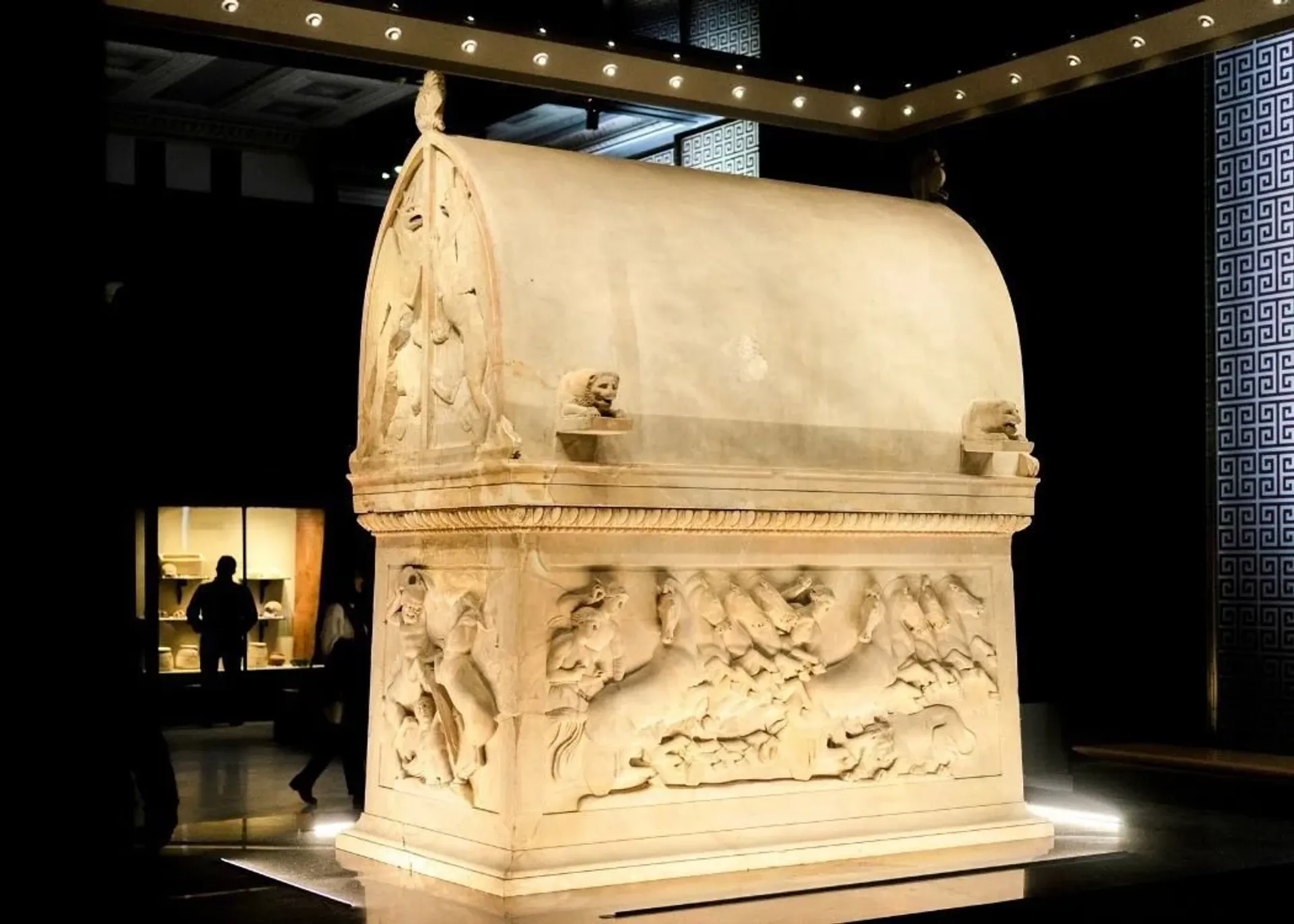
Alexander Sarcophagus
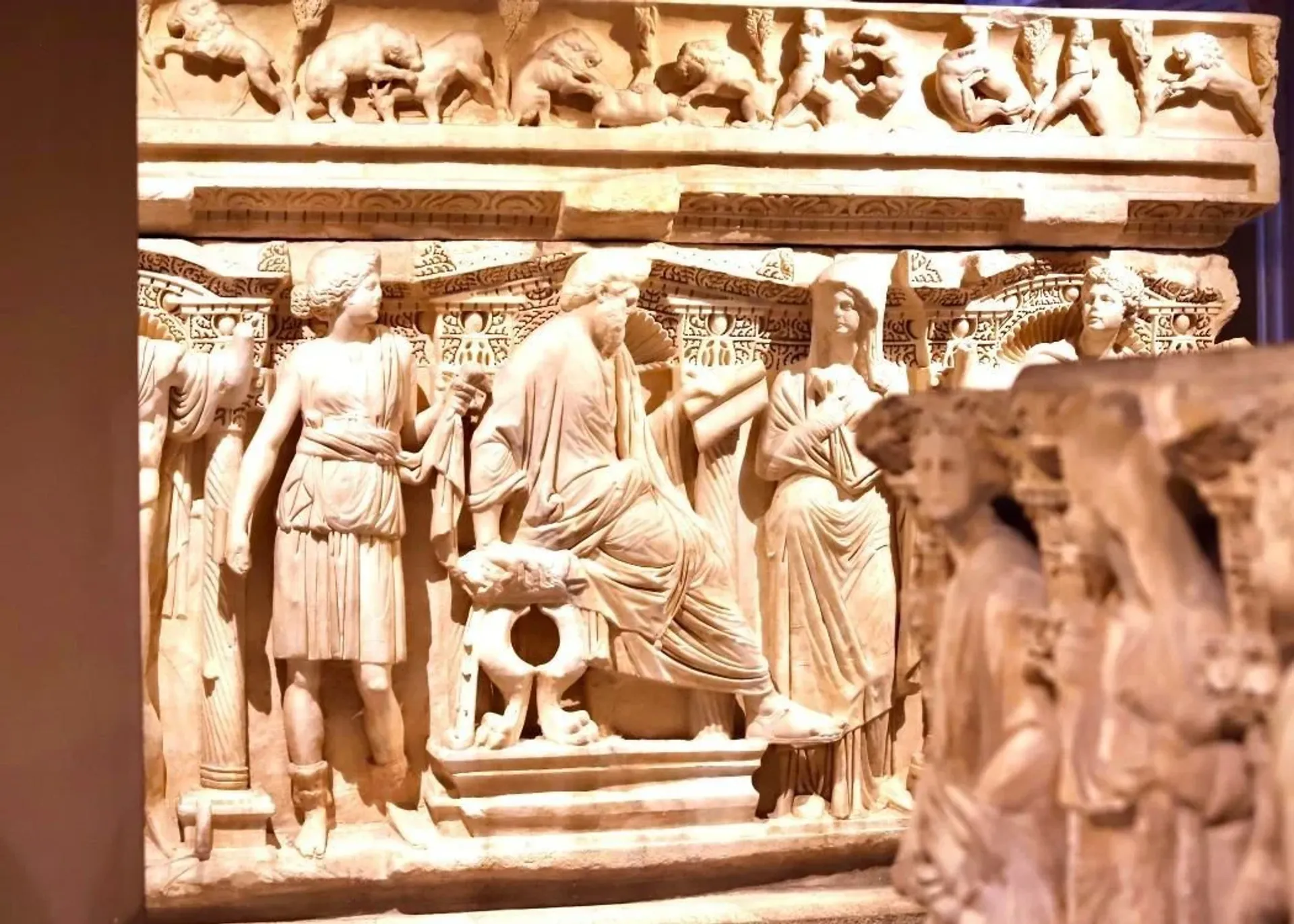
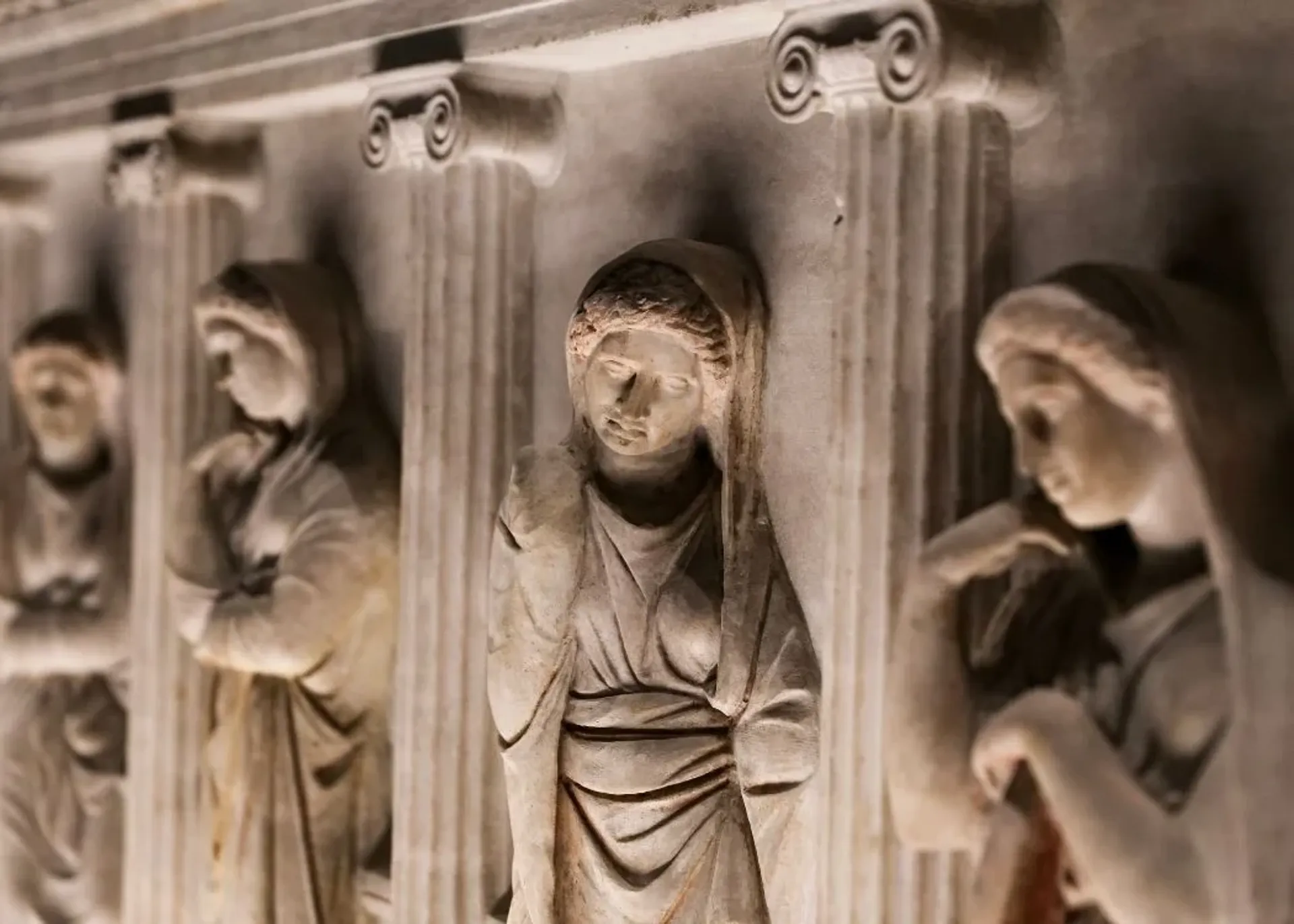
The Sayda Sarcophagi are the sarcophagi of the kings' tombs in Sidon, unearthed by Osman Hamdi Bey in 1887. Seven of the 18 sarcophagi found in the necropolis were left in place, and the others were brought to Istanbul upon a very meticulous study. The most important of the invaluable sarcophagi is the Alexander Sarcophagus, and the oldest is the Tabnit Sarcophagus. Apart from this, other important sarcophagi are the Sarcophagus of Crying Women, the Lycian Sarcophagus and the Sarcophagus of Satrap. The Alexander Sarcophagus is considered the most important artifact in the Istanbul Archaeological Museums. According to some archaeologists, this priceless artifact is the symbol of Istanbul. You can enjoy seeing this and similar works that are exhibited in the Istanbul Archeology Museum.
Build your own Istanbul Flexi Pass® €20 €18