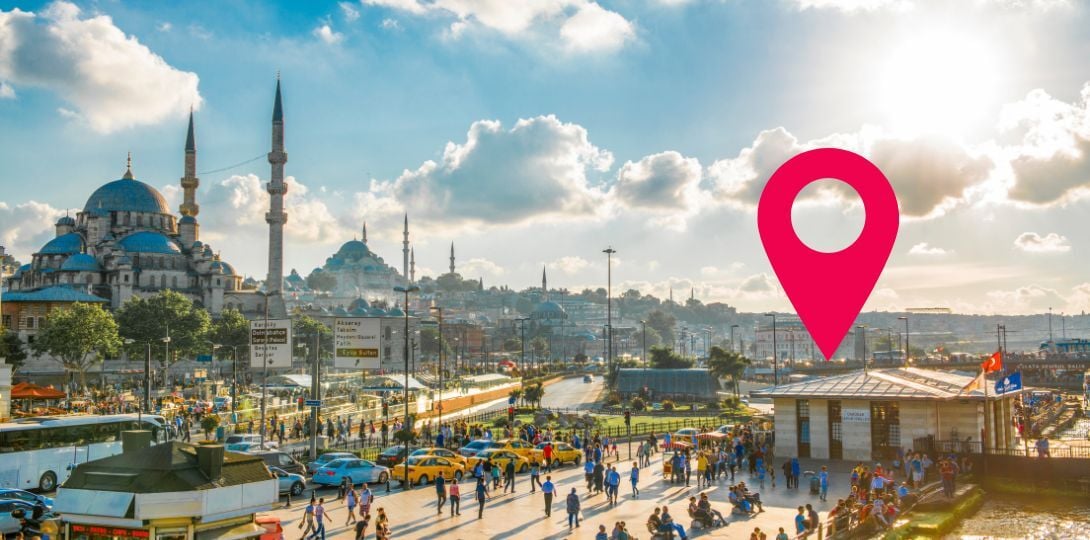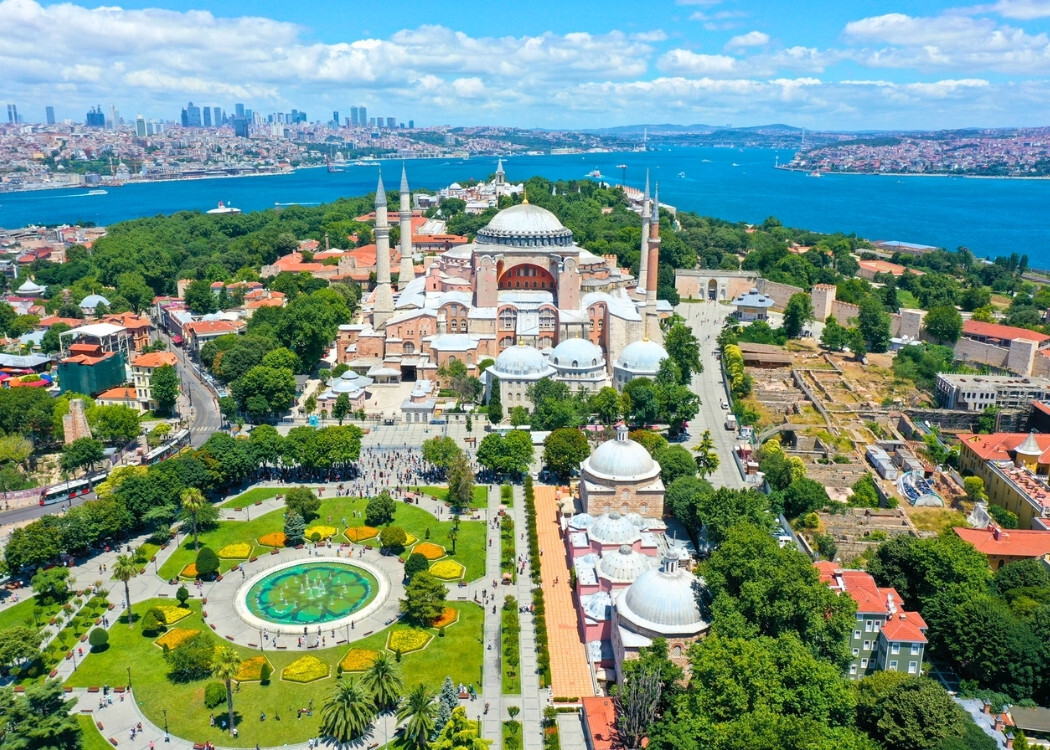



Istanbul welcomes you into a world where history and modernity mix seamlessly, whether you're strolling through the busy Grand Bazaar, floating across continents on the Bosphorus, or watching the sun set behind the domes of Sultanahmet.
First-time tourists may find the city to be a lovely maze; captivating, chaotic, overwhelming, and unforgettable all at once. A good guide will help you to realize that Istanbul is not only a destination but also a feeling. A location to drink tea with locals, become beautifully lost in side streets, and fall in love with layers of culture you never anticipated. Whether your stay is 24 hours or five full days, with children, alone, or on a romantic trip, this book is for you. Istanbul is waiting for us to discover.
Istanbul in General
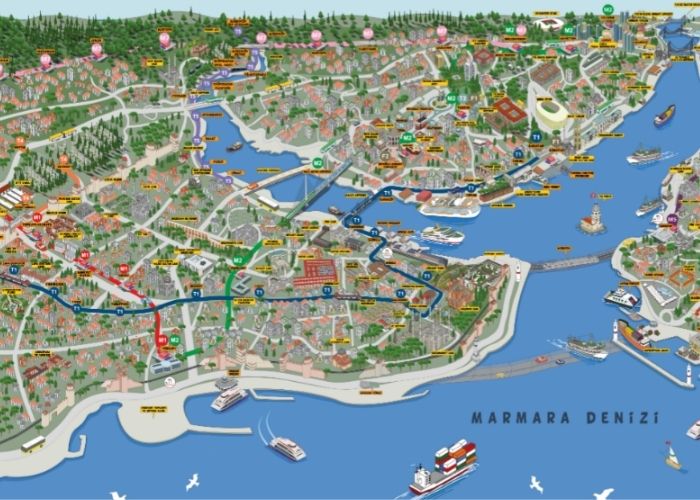
Istanbul is a city of opposites, and that is just what makes it enchanting. One of the most dynamic and densely inhabited cities in Europe and the Middle East, it has more than 16 million people. Every location gives a different story: from the historical strata of Sultanahmet to the hipster cafés of Moda, the artistic vibe of Karaköy, and the affluent avenues of Nişantaşı.
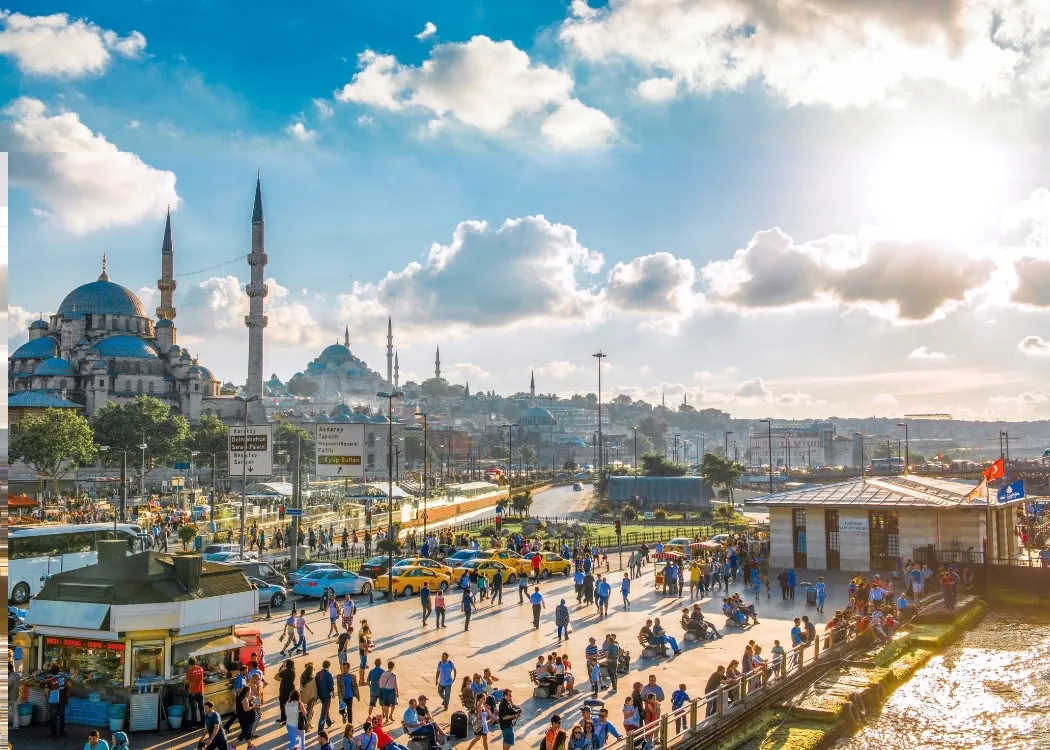
The weather is just as variedIstanbul weather always has a way of making you fall in love with the city.
Istanbul's traffic is well known—locals mock it as the main draw of the city. The public transit system is cheap and quite large, so don't panic. Your best buddy will be the unlimited transportation card called the Istanbul City Card, which will let you ride buses, metros, ferries, and trams. To be honest? Cruising by ferry between Europe and Asia is an experience in itself.
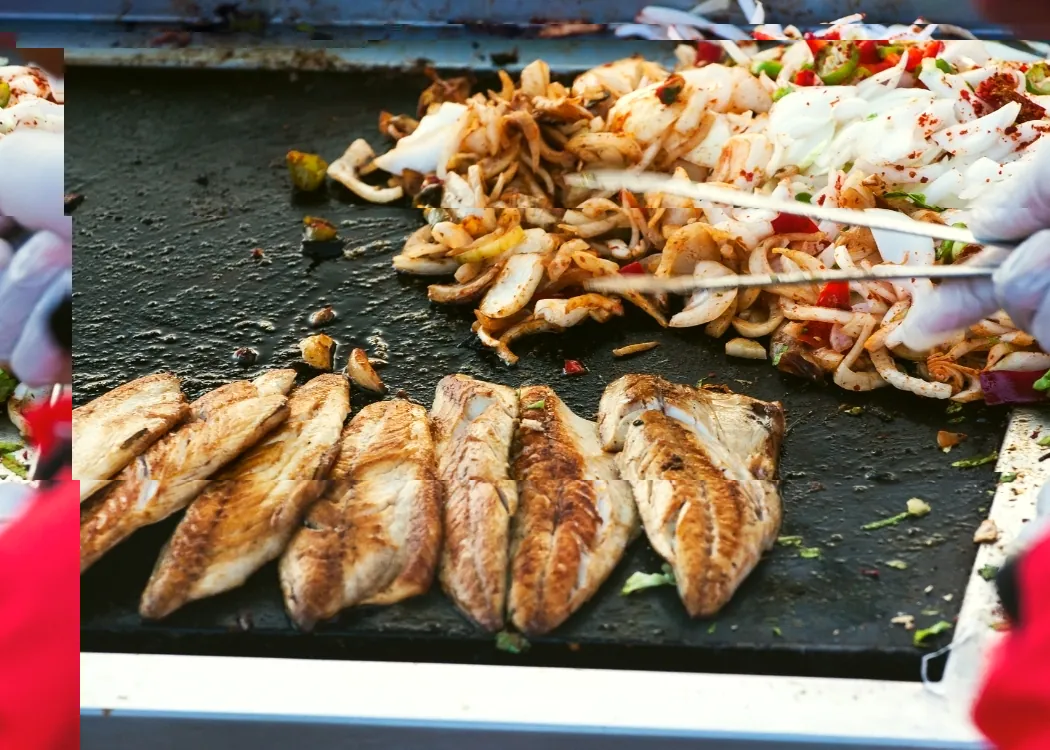
The culinary landscape? Unmatched. Istanbul is paradise for foodies, from world-class Michelin-starred restaurants redefining Turkish cuisine to hot street specialties like simit and kokoreç. Every district has its own flavor, quite literally—whether it’s a meyhane table packed with mezes in Cihangir or a baklava stop in Karaköy Güllüoğlu.
Perhaps most interesting is Istanbul's equilibrium of excitement and calm. One minute you're surrounded by the hectic noises of honking taxis and seagulls, and the next, you discover yourself in the calm courtyard of a centuries-old mosque or drinking tea by the Bosphorus, observing life unfold.
Nightlife and spirituality coexist in this city. Above ancient hammams, rooftop bars with DJ performances throb. From yoga courses to Friday prayers, individuals travel. This dichotomy is Istanbul's spirit, not a contradiction.
Is It Really Worth Visiting Istanbul in 2025?
Definitely 2025 could be among the finest years still to see Istanbul. Istanbul has re-emerged stronger, more hospitable, and more dynamic than ever after a few tumultuous years of worldwide change. Holding onto its rich legacy, the city keeps reinventing itself. In addition to the classics, the Hagia Sophia, the Blue Mosque, and the Grand Bazaar, you will encounter newly renovated sites, new museum openings, and a vibrant modern art and culinary scene in 2025.
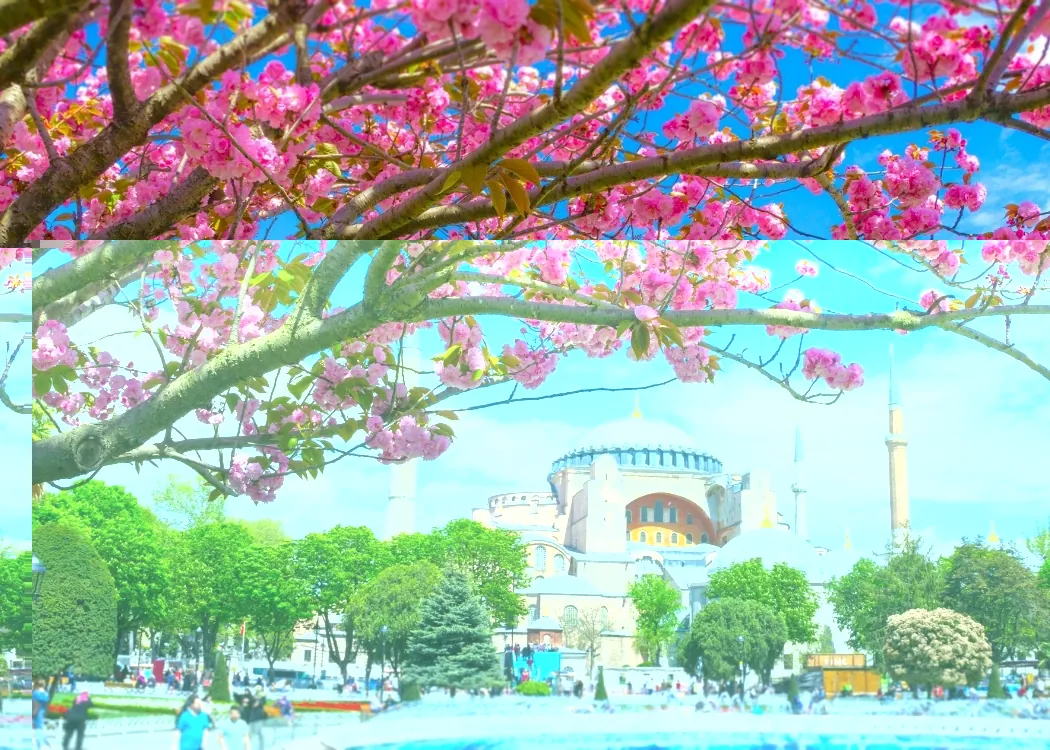
Constant development of tourism infrastructure includes more effective airports, new technologies like the Istanbul Tourist Pass® making touring easier, and hotel quality rising significantly across all pricing categories. From backpackers to luxury lovers, everyone may find a part of Istanbul that fits them.
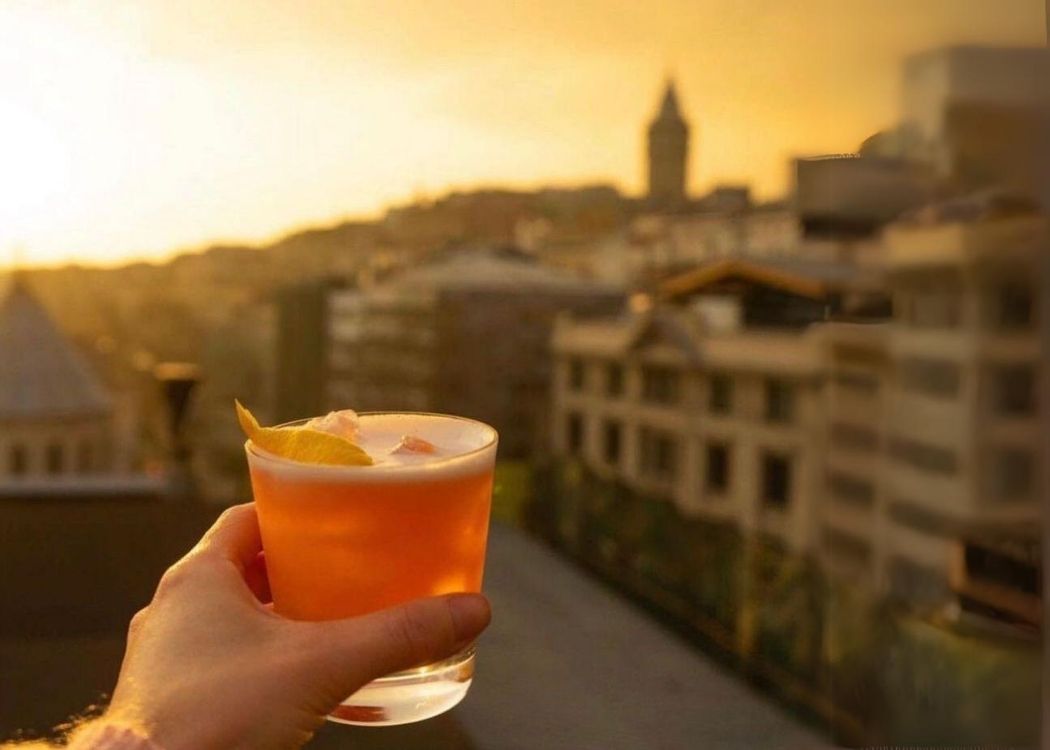
Now let's discuss worth. Istanbul still provides amazing experiences at a very fair price when compared to many other world cities; consider beautiful Bosphorus views from a trendy rooftop café for the cost of a normal coffee in other parts of Europe.
Istanbul is also on the radar of additional international events, art exhibitions, design fairs, and culinary festivals in 2025. The atmosphere? Lively, creative, and open. Follow our monthly blog posts to keep up with the recent information!
Indeed, it is more than worthwhile. Istanbul in 2025 is the ideal mix of ageless marvel and new vitality. Your first visit will be something amazing. If you have gone before, prepare to fall in love all over again.
Is Visiting Istanbul Safe in 2025?
One of the main concerns first-time tourists have is safety, and that is quite understandable. The good news is indeed, particularly in tourist-friendly neighborhoods like Sultanahmet, Galata, Karaköy, Taksim, and Kadıköy, Istanbul is deemed secure for visitors in 2025.
Major districts have a significant police presence, and the city is very much active day and night. Tourism significantly supports the local economy, and Istanbul greets millions of visitors annually; hence, hospitality and safety complement one another.
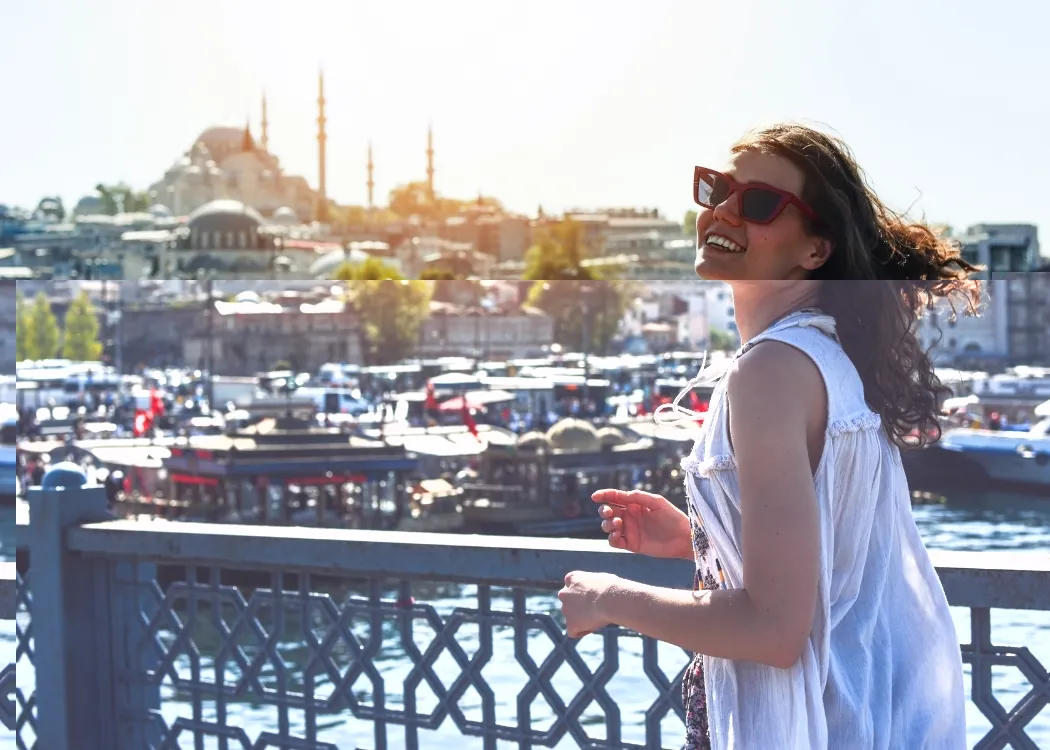
That said, it's wise to remain vigilant, as with any major, fast-moving city.
Crowded places like the Grand Bazaar or public transportation can see pickpocketing; therefore, keep your possessions near.
There are still taxi frauds. To prevent inconvenience, always choose official yellow cabs, request the meter to be activated, or utilize applications such as BiTaksi or Uber.
Trust your instincts; overly nice persons inviting you for tea or into a store "just to chat" may have tourist traps in mind.
Latest reports from worldwide travel advisories show no significant safety warnings or travel limitations particular to Istanbul in 2025. Before your journey, visit your country's official travel website for the most current information.
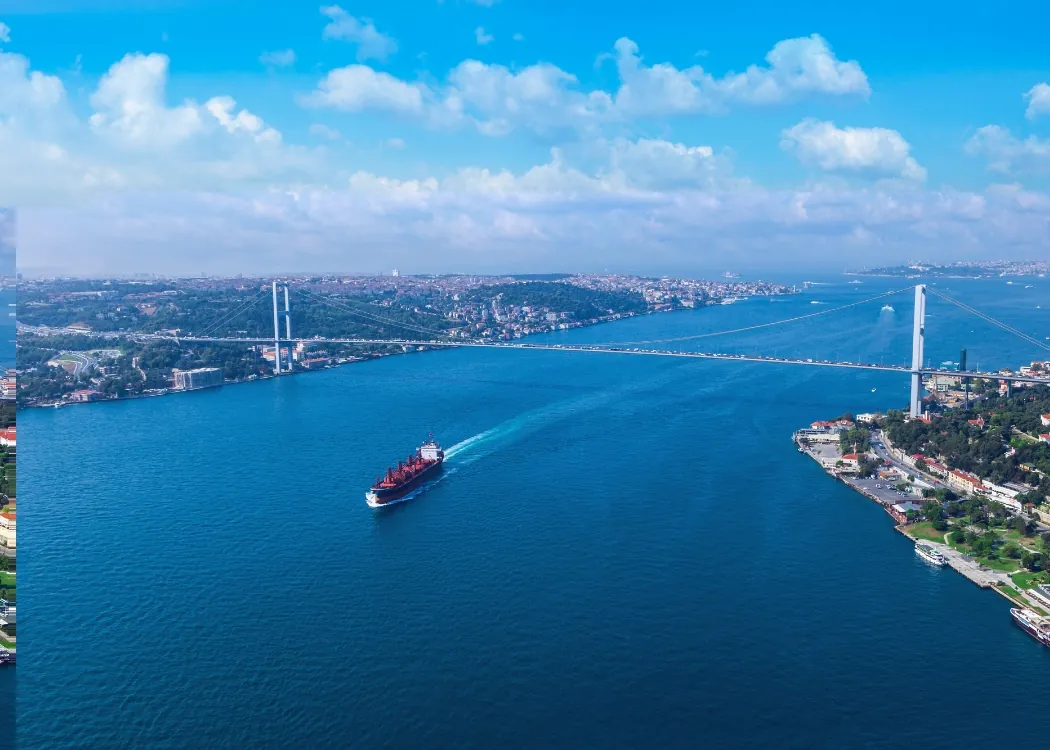
Traveling alone? Traveling with children? Istanbul is generally regarded as a safe and warm city
Keep your common sense close at hand; if you do, you will probably discover Istanbul to be not only safe but very friendly.
Absolutely yes! Istanbul is usually quite women-friendly, particularly in 2025, when female visitors, whether solitary or in groups, are a common and welcoming sight all around the city.
Local women are everywhere: running businesses, going to work in fashionable clothes, socializing at rooftop bars, or praying at the mosque. Istanbul is a city where modern and traditional ways of life coexist, and that duality is reflected in the way women live, dress, and move about daily life.
For women tourists, here is what you may expect:
From shorts and tank tops to headscarves and modest clothing, you'll witness all. The city itself has no formal dress code; simply keep in mind to dress modestly when visiting mosques (covering shoulders, cleavage, and knees; headscarf compulsory for women). Just remind yourself that you can be yourself in Istanbul; Turkey is not an Islamic state, it is a secular republic with a mixed population!
Many ladies fly alone to Istanbul and have wonderful experiences. The city is teeming with safe, independent exploration opportunities like cafés, museums, and Bosphorus vistas.
People are kind: Locals treat guests with warmth and respect. Should you ever require assistance, feel free to ask; Turkish hospitality is quite genuine.
Women use all transportation choices confidently. Public transit is safe. Though, as in any big city, avoid particularly empty carriages late at night. Generally speaking, trams, ferries, and metros are safe at all hours.
Still, a little knowledge helps a lot. Especially in tourist-heavy locations, occasional unwelcome attention—such as glances or pointless small talk—may occur, but it's usually innocuous and can be readily dismissed. Just like elsewhere, trust your gut. Istanbul in 2025 is a city where women may feel inspired, respected, and confident.
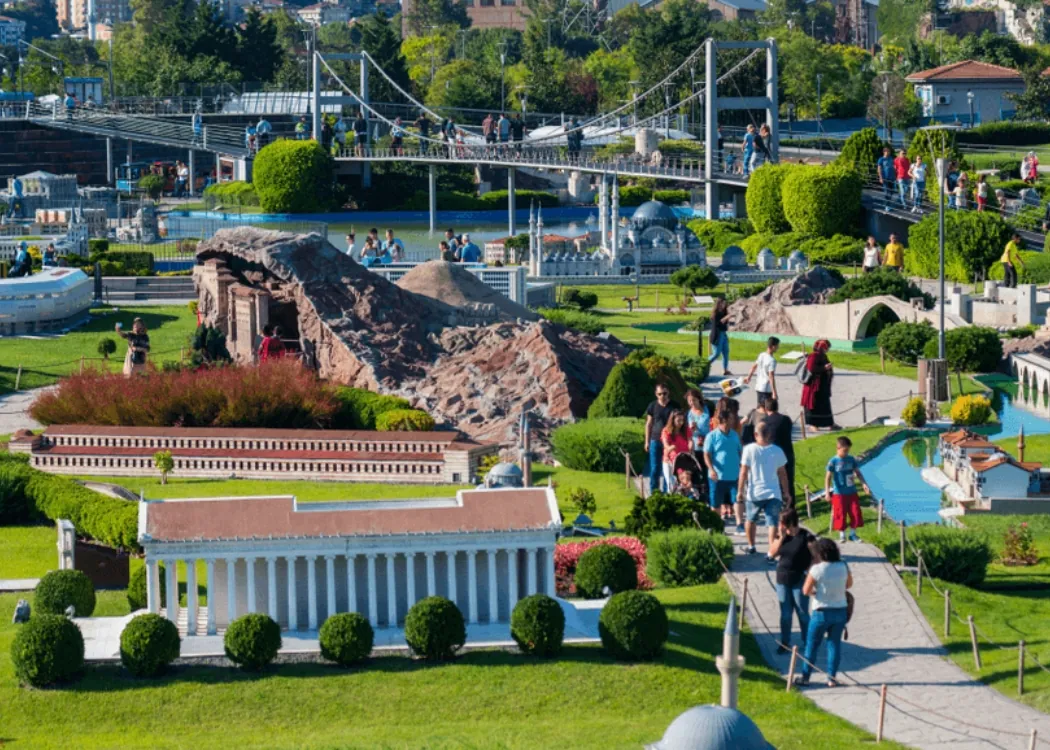
Of course! Full of activities, colors, and surprises that kids (and their parents!) will enjoy, Istanbul is a great kid-friendly city. Istanbul has a blend of pleasure, knowledge, and adventure whether your travel companion is a curious teenager or a baby in a stroller.
The love and respect for children is among the most lovely aspects of Turkish culture. Don't be shocked if someone provides you a seat, a sweet for your kid, or even stroller assistance; locals frequently go above and above to support families. Kids are pampered like tiny VIPs.
Nice to know:
Not all streets are stroller-friendly, especially in old-town areas with cobblestones—but taxis or trams can help bridge those gaps.
Changing facilities and baby rooms are becoming more common in malls, airports, and larger attractions.
Kids under a certain age often get free or discounted entry to many museums and attractions—especially when using the Istanbul Tourist Pass®.
In short, Istanbul isn’t just a city for lovers of culture and history—it’s a city where kids can explore, learn, and have fun, all while soaking up a brand-new world of sights, sounds, and flavors.
The Istanbul Tourist Pass® is your new best travel buddy if you wish to see more of Istanbul in less time (and avoid the stress while you're at it). It's your all-in-one key to easily open the city with savings and flair, not simply a sightseeing card.
What then distinguishes it in 2025? Access to over 100 attractions & services: Your pass is your guide to the best of the city, from skip-the-line entrance to iconic landmarks like Topkapi Palace, Hagia Sophia Guided Tour, Basilica Cistern, and Dolmabahçe Palace, to experiences like Bosphorus cruises, museum entries, guided walking tours, and more.
No prints. No delays. Simply download the app, select your pass length (one to five days), and begin using your credits to scan into attractions or create fast bookings. Everything is practically at your fingers.
A credit-based system allowing you freedom . Every pass has a certain quantity of credits; every attraction "costs" a particular number of credits. Whether you want to do it all or simply concentrate on art, history, cruises, or family activities, this allows you to chose and select what is important to you.
This allows you to select and choose what is important to you—whether you want to do it all, or just concentrate on art, history, cruises, or family activities.
Included Smart Planning Tools: The app lets you find new things nearby, plan your days, check attraction hours, and get audio-guided tours. It's like having a local friend in your pocket who knows the whole city inside out.
Great Value, Actual Savings! The pass combines everything at a far reduced price instead of purchasing separate tickets and wasting time in line. Skipping the line at peak hour at Hagia Sophia, to be honest, is very… invaluable.
Extra Benefits in 2025! Pass holders this year get access to partner restaurant deals, transit savings, and fresh experiences—so you're not only saving on attractions but also on dining and transportation.
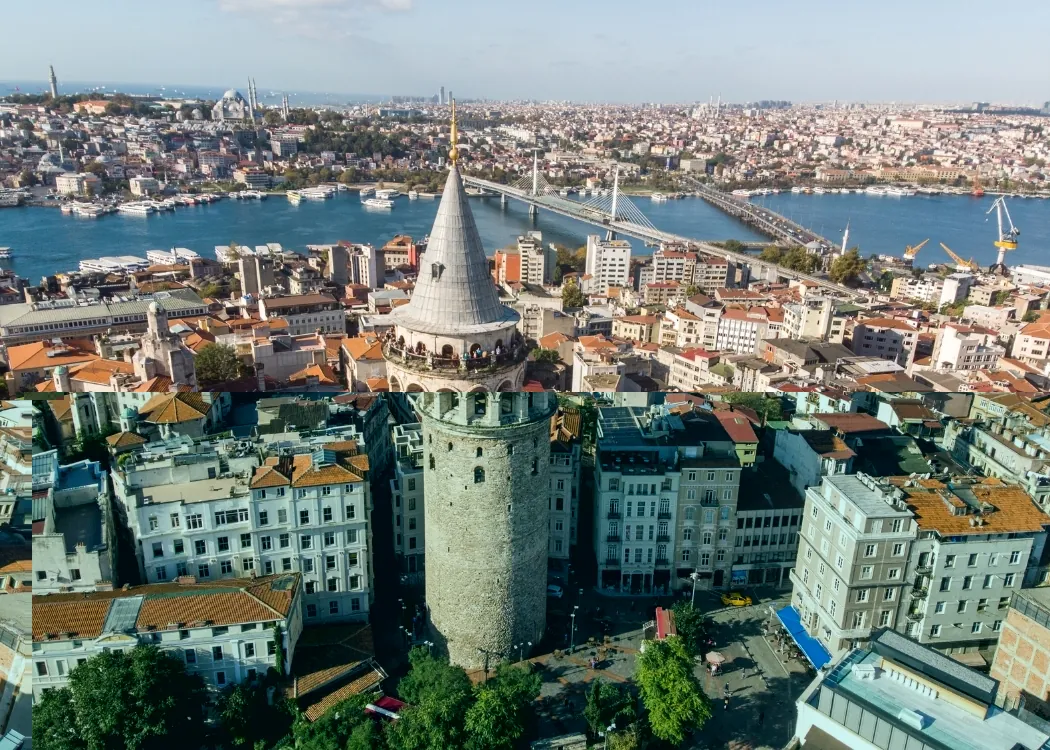
Is Istanbul women-friendly?
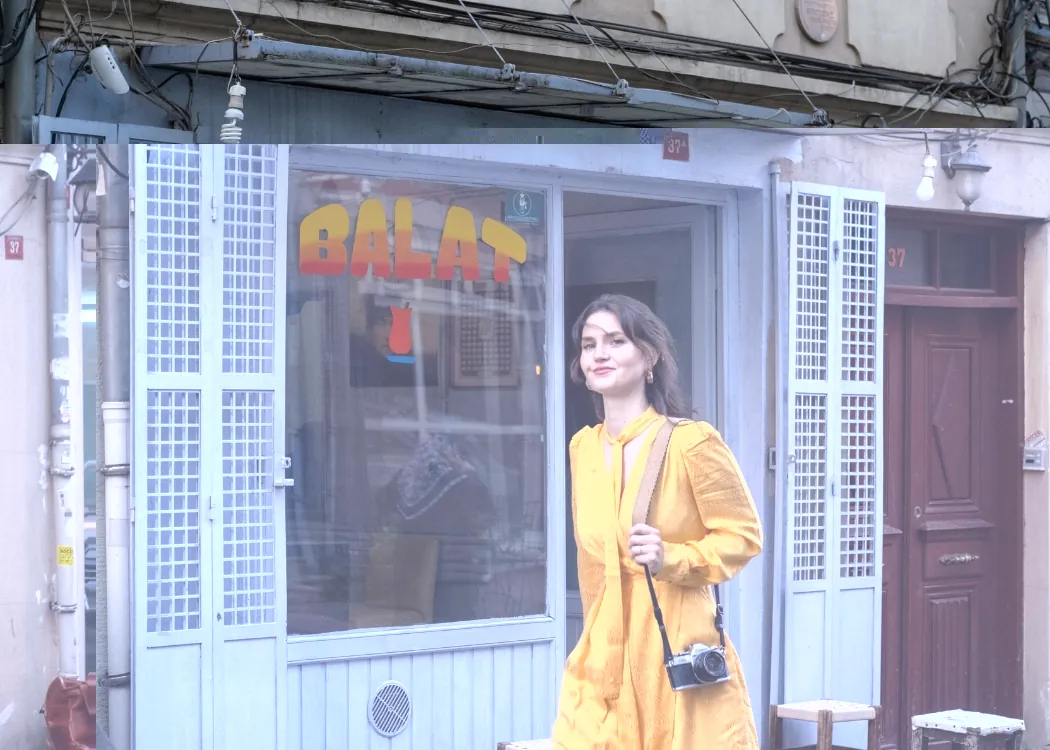
Is Istanbul child-friendly?
Visiting Istanbul with the Istanbul Tourist Pass®

A credit-based system allowing you freedom.